February 23, 2026
Power outages, whether due to weather events or infrastructure issues, can have significant impacts on households. Preparing for these potential interruptions with a reliable solution such as a home generator is essential. According to Zipdo, about 55% of residential generators are installed specifically for backup during power outages. Home generators provide a backup power source, ensuring essential functions and appliances remain operational when traditional power supplies fail.
1. Understanding Power Outages
1.1 Causes of Power Outages
Power outages often occur for various reasons, including severe weather conditions such as storms, heavy rain, and snow. Faults in the utility infrastructure, like transformer malfunctions or line damage, can also lead to outages. Furthermore, outages may be planned by utility companies during maintenance or as a response to energy shortages. Natural disasters, like hurricanes, are notorious for causing widespread outages lasting for extended periods. Understanding these causes helps in planning effective mitigation strategies.
1.2 Impact on Daily Life
Power outages disrupt daily activities, affecting work, school, and home life considerably. Crucial devices like refrigerators and heaters cease to function, leading to food spoilage and discomfort in extreme weather conditions. Communication may also become challenging as phones and internet routers rely on power. For many, power outages pose safety risks, especially in properties reliant on electrically powered security systems. The interruption of routine can lead to significant inconvenience and financial losses.
1.3 Frequency and Duration
Power outages vary widely in terms of their frequency and duration, influencing how households should prepare. Some regions experience outages more commonly due to their susceptibility to natural events like tornadoes or earthquakes. While occasional outages may last for just a few hours, severe outages can persist for days or even weeks. This unpredictability necessitates preparedness to ensure continuity of essential services. Engaging in preventive measures, such as installing a home generator, can mitigate impacts.
1.4 Regional Variations
Different regions experience varying likelihoods of power outages based on geological and climatic conditions. Coastal areas might experience more frequent outages due to hurricanes, while interior regions may deal with tornadoes or ice storms. Urban areas could face outages due to aging infrastructure, whereas rural areas might suffer from less robust power grids. Understanding your locale's specific risks can guide the selection of appropriate backup solutions. This approach ensures readiness in the face of potential electrical disruptions.
1.5 Historical Examples
Historically, major power outages have showcased the vulnerability of existing electrical grids. For instance, the Northeast blackout of 2003 affected millions in the United States and Canada, revealing the fragility of infrastructure. Hurricane Sandy also caused massive power failures, leaving many without electricity for weeks. These events highlight the need for preparedness and the advantages of having a standby power source. Learning from past experiences can guide planning to better withstand future outages.
2. Types of Home Generators
2.1 Portable Generators
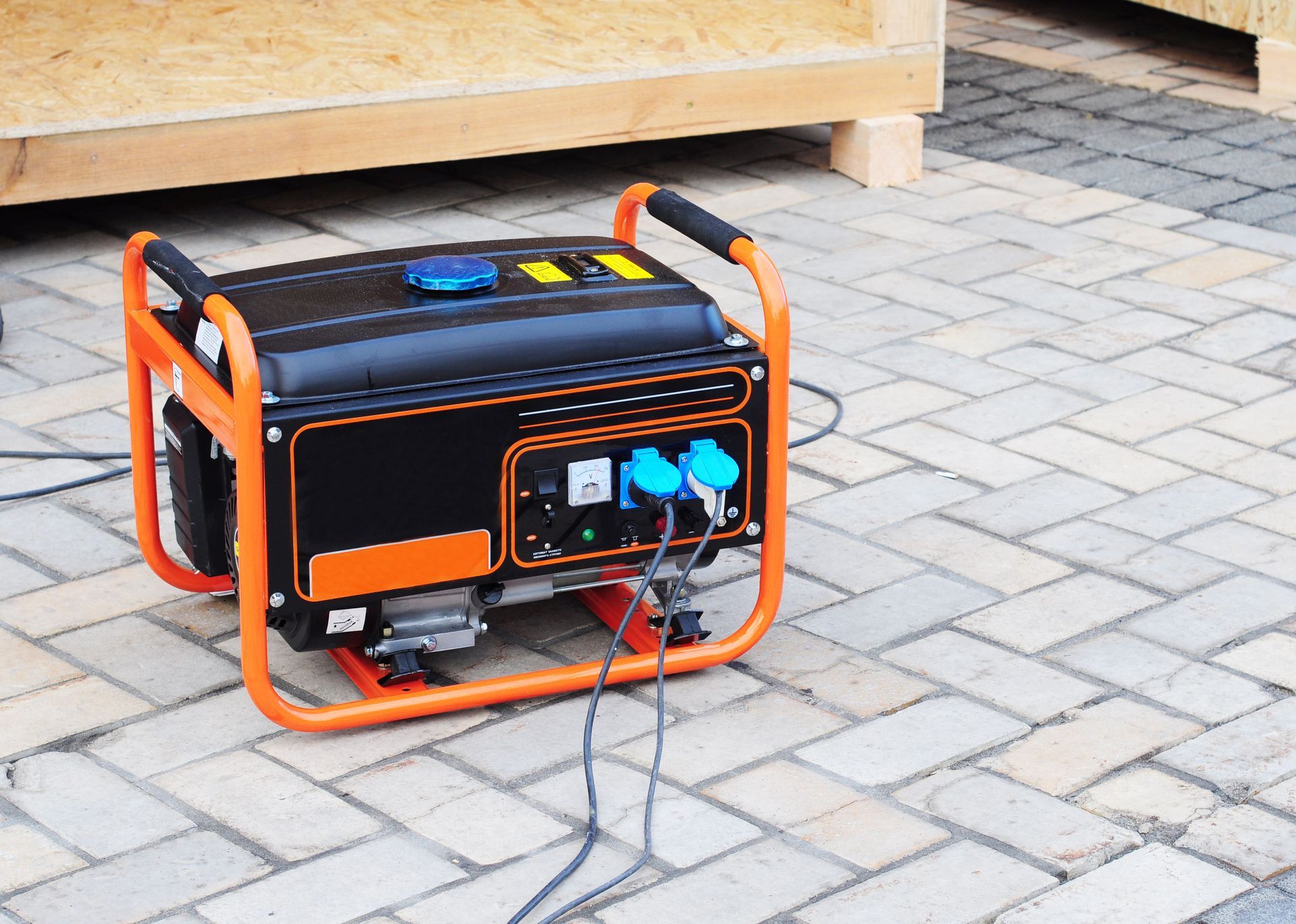
Portable home generators are a popular choice for temporary power needs, favored for their mobility and ease of use. They can be moved to different locations as needed, ideal for short-term disruptions or outdoor activities. Typically powered by gasoline, these home generators can provide power for basic appliances and electronics. However, their capacity is often limited, making them unsuitable for prolonged outages unless other measures are taken. Their affordability and flexibility make them a common backup option for many households.
2.2 Inverter Generators
Inverter generators are an advanced type of portable generator, offering efficient and stable energy supply with clean voltage output. They operate quietly, making them a preferred choice for residential areas where noise may be a concern. These generators adjust engine speed based on power needs, enhancing fuel efficiency. Inverter generators are especially beneficial for sensitive electronics, protecting them from power surges. While more costly than traditional portable generators, their advantages make them a worthwhile investment for many households.
2.3 Standby Generators
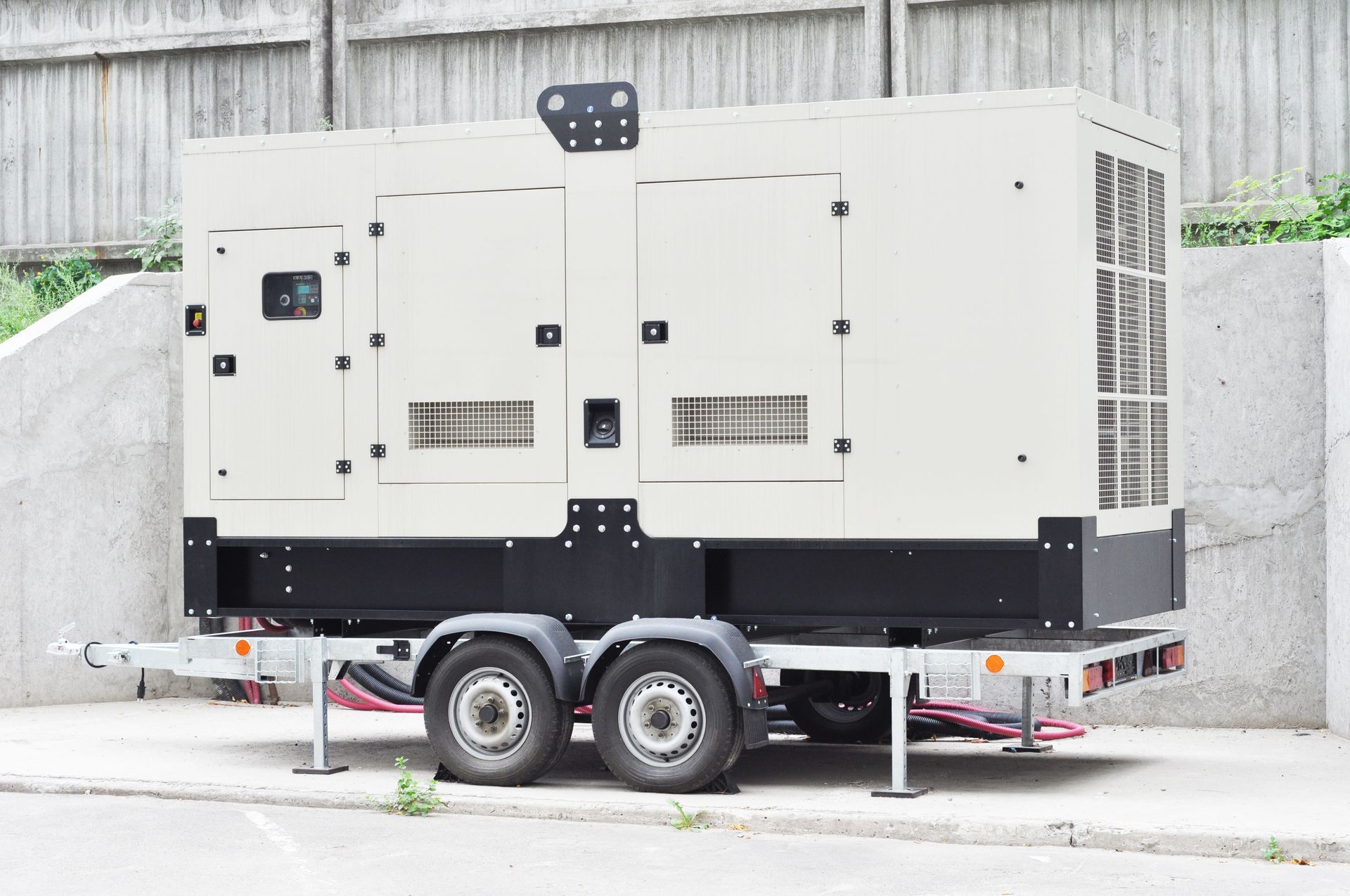
Standby generators provide a seamless power backup solution, automatically activating during outages. These generators are permanently installed and connected to a home’s electrical system, providing uninterrupted power supply. They are powered by natural gas or propane, ensuring a steady flow of power for extended periods. Although standby generators demand a higher initial investment and installation costs, their reliability justifies the expense for many homeowners. Standby generators are particularly beneficial for ensuring business continuity in home offices.
2.4 Dual Fuel Generators
Dual fuel generators offer flexibility by operating on either gasoline or propane, allowing users to switch based on fuel availability. This flexibility becomes crucial during emergencies when fuel supplies may be constrained. Dual fuel generators combine the portability benefits of gasoline with propane’s efficiency, extending their operational time. They are a practical choice for those seeking a versatile backup option without the commitment of a permanent installation. This adaptability enhances their appeal in diverse situations.
2.5 Pros and Cons of Each Type
Each type of generator presents unique advantages and constraints, influencing the choice suitable for varying needs. Portable generators are affordable and versatile but may fall short during lengthy outages. Inverter generators offer efficient, stable power at a higher price point, while standby generators ensure reliability with higher upfront investment and installation requirements. Dual fuel generators provide fuel versatility, appealing to those seeking adaptability without the permanence of standby installations. Evaluating these factors helps in making an informed decision.
3. Selecting the Right Generator for Your Home
3.1 Assessing Power Requirements
Determining your household’s power needs is a critical step in selecting an appropriate generator. Begin by listing essential appliances and systems like refrigerators, heating, and lighting, then calculate their total power consumption. Consider additional equipment that requires power during outages, such as medical devices or communication tools. By understanding these requirements, you can choose a generator with suitable capacity, ensuring operational continuity. Researching and consulting experts can aid in making precise estimations.
3.2 Budget Considerations
Budget is a vital factor influencing the choice of a home generator, dictating the balance between cost and features. While portable home generators are cost-effective, standby home generators necessitate a larger upfront investment. Assessing long-term savings from uninterrupted power supply against initial expenses can guide decision-making. Financing options and incentives from manufacturers or local government programs can also alleviate financial constraints. Ultimately, finding a generator that fits financial limits while meeting power needs is essential.
3.3 Brand and Model Recommendations
Choosing the right brand and model requires thorough research and an understanding of quality and reliability. Renowned brands with robust support systems often provide peace of mind through warranties and customer service. Reviews and expert opinions in consumer reports can inform decisions about the features and resilience of specific models. Future-proofing for technological advancements or expanded power needs may also influence brand selection. Planning and researching help ensure a well-suited choice for individual scenarios.
3.4 Installation Needs
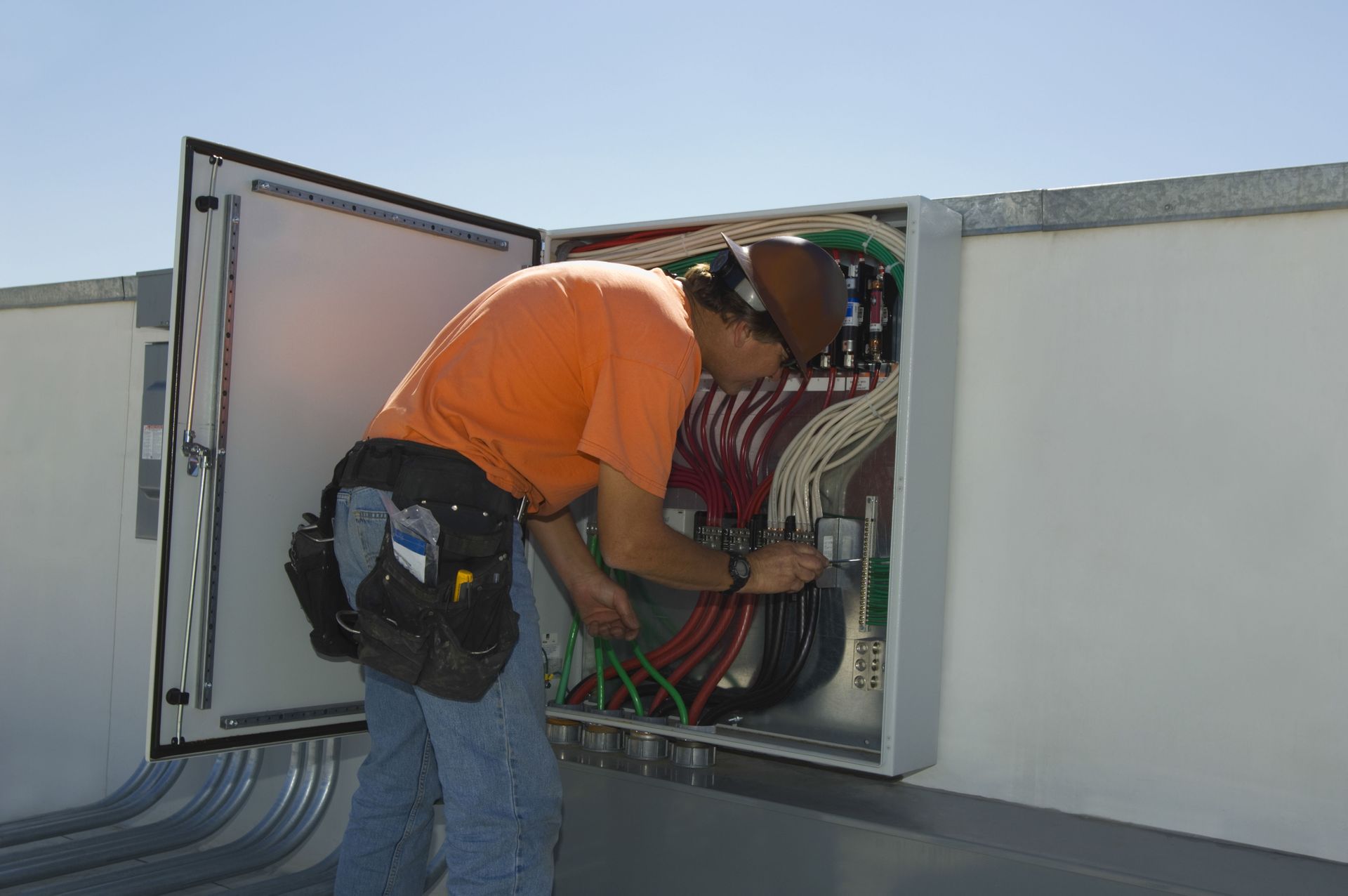
Addressing installation requirements is crucial, especially for standby home generators which may require professional installation. Suitable location, access to fuel lines, and adherence to local building codes must be considered. Choose a location that allows safe operation and maintenance, accounting for noise and exhaust. Portable generators may not need installation but require assessment of safe connection procedures. Consultations with licensed professionals can avoid installation pitfalls and enhance operational safety and compliance.
3.5 Additional Features to Look For
Modern home generators offer various additional features, enhancing their operational efficacy and ease of use. Remote start options and user-friendly control panels simplify handling and response during outages. Automated startups, load management systems, and smart technology integration offer convenience and efficiency. Security features like overload protection can prevent damage to both the generator and connected appliances. Evaluating these features helps select a generator that meets personal preferences and safety expectations.
Understanding and preparing for power outages with home generators ensures continuity, safety, and comfort in times of need. By choosing the right type and ensuring proper installation and maintenance, homeowners can mitigate the risks associated with power interruptions. Home generators, offering both practical and emotional benefits, serve as a valuable investment in maintaining security and stability for the household. Reach out to Parker Power Systems today to see how we can help you!