April 16, 2026
Understanding the necessity of having a reliable home generator is crucial, especially in areas prone to power outages caused by storms, grid failures, or other unexpected events. As our dependence on electrical devices grows, from essential appliances like refrigerators and medical equipment to everyday conveniences such as lighting, heating, and electronics, having a backup power plan becomes more than just a precaution. It's a practical necessity for maintaining comfort, security, and peace of mind.
A dependable home generator can ensure that critical systems, including home security, water pumps, and HVAC, remain operational even during extended outages, reducing disruption to daily life and preventing potential damage or spoilage. According to Verified Market Reports, about 3 million U.S. households have some form of backup power generation installed, highlighting a rising awareness of the benefits and importance of emergency power solutions. This guide will provide a comprehensive overview of the different types of home generators, their fuel options, installation considerations, and factors to help homeowners make informed choices to suit their specific needs and lifestyle.
Portable Generators: Flexibility for Short-Term Outages
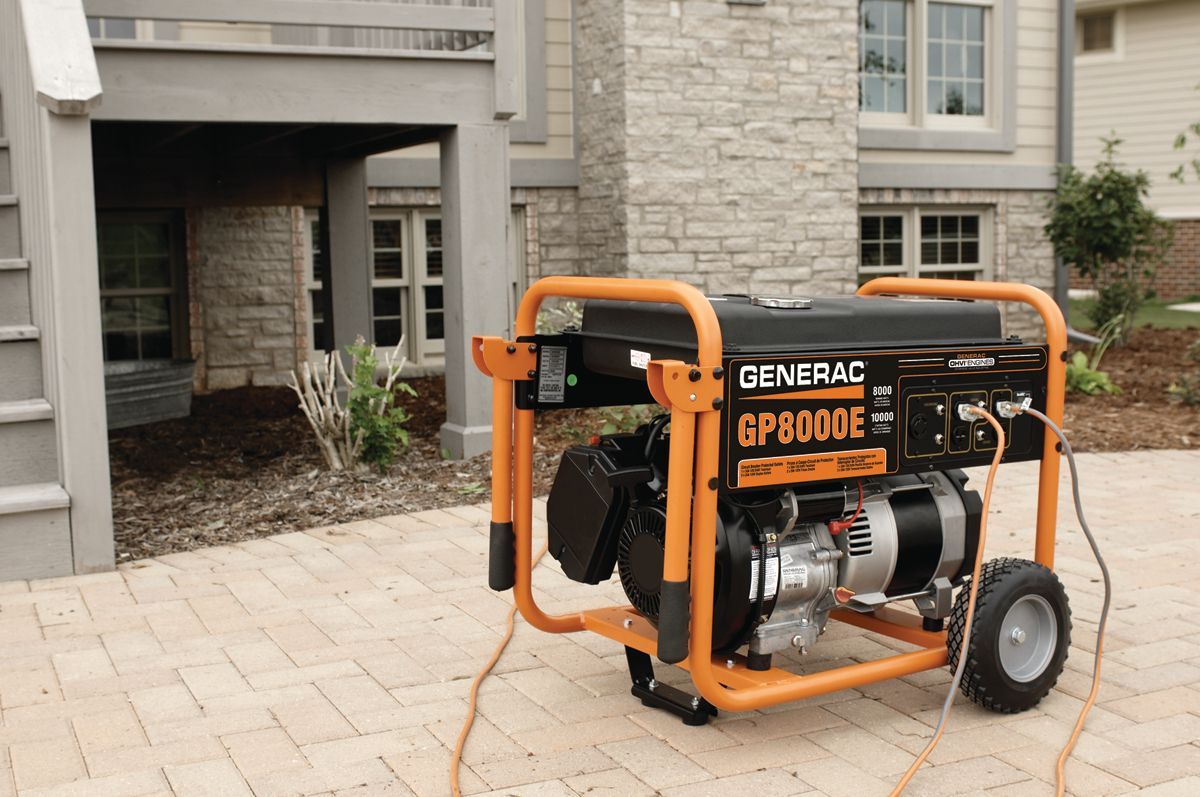
A portable home generator is a popular choice for homeowners due to its convenience and mobility. Fueled by gasoline, these units can be easily wheeled wherever power is needed, making them ideal for emergencies or outdoor use. Many portable generators are designed to supply energy to essential appliances such as refrigerators, lights, and small electronics. Their portability also makes them a go-to option for camping trips, tailgating, or backyard events where electricity may not be available.
While portable generators provide immediate relief during short-term outages, they are generally not suitable for powering an entire household. Even when used in parallel with additional units, their capacity may fall short of sustaining high-demand appliances like central air conditioning or water heaters. Safety considerations are also important; gasoline-powered generators should be operated outdoors and away from windows or vents to avoid the risk of carbon monoxide poisoning. Despite these limitations, the affordability and mobility of portable generators make them an excellent choice for homeowners needing temporary power solutions without major installation costs.
Standby Generators: Automated Peace of Mind
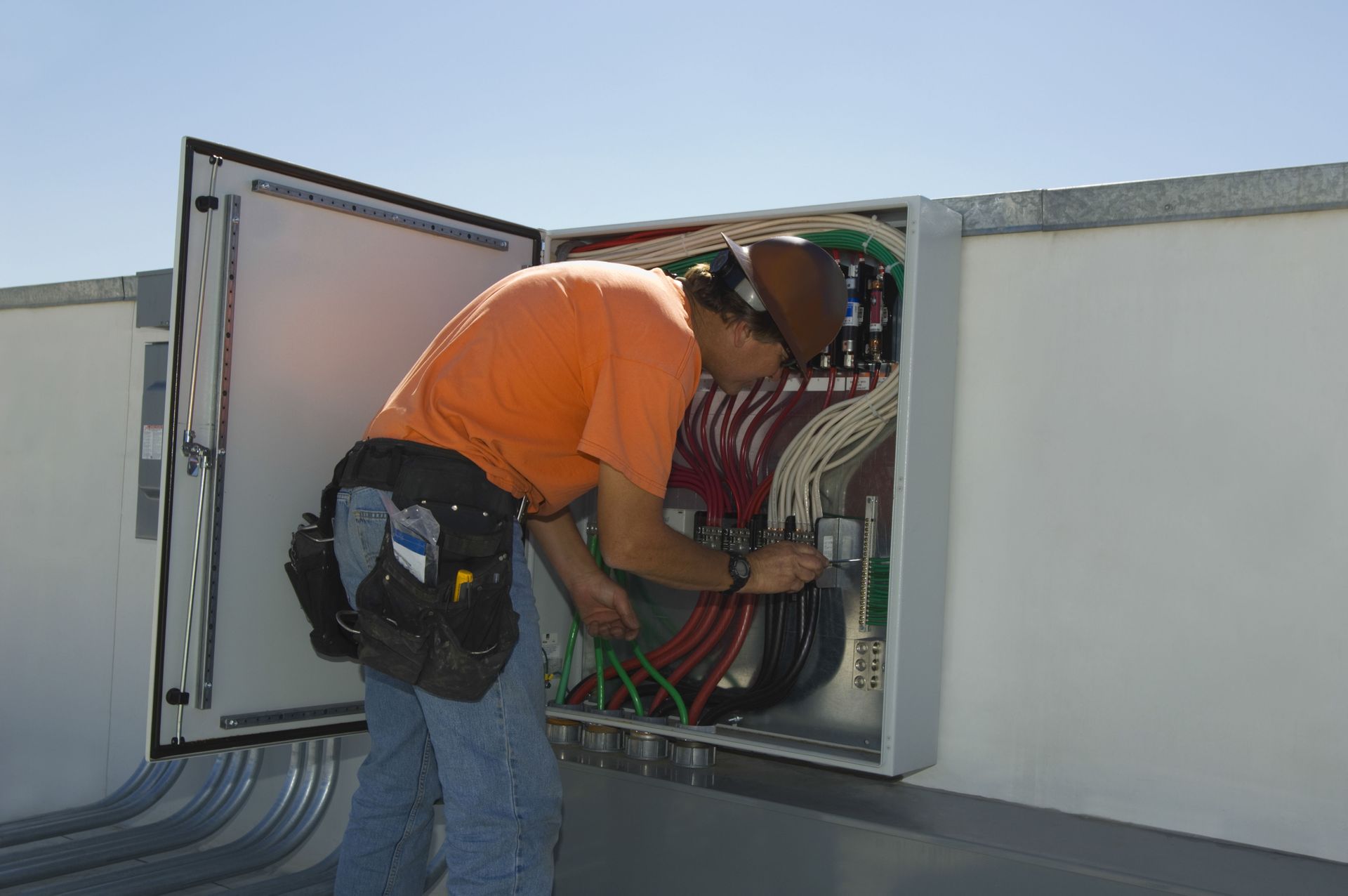
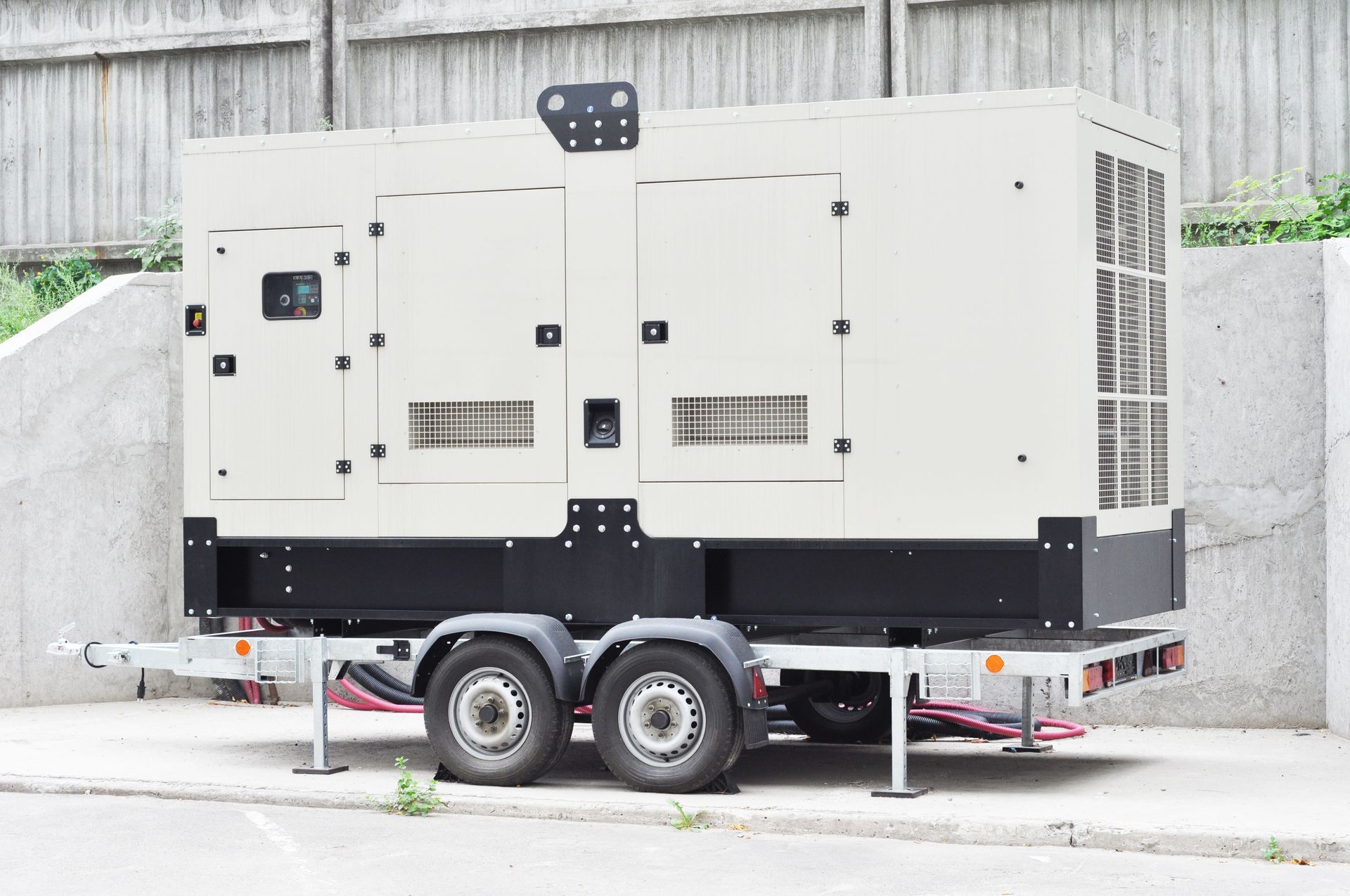
Standby generators are permanently installed systems that automatically activate when a power outage occurs, ensuring uninterrupted electricity throughout your home. Connected directly to your electrical panel and fueled by natural gas or propane, these generators are capable of powering an entire household, including high-demand appliances such as HVAC systems, well pumps, and large kitchen appliances.
One of the main advantages of standby generators is their hands-off operation. Once installed, they require minimal intervention, automatically kicking in when power is lost and shutting down when electricity is restored. For homeowners seeking a reliable, worry-free solution, standby generators offer peace of mind, particularly in areas prone to frequent or prolonged outages. However, the initial cost can be significantly higher than portable options, as installation, fuel connections, and professional setup add to the overall expense. Still, for those with higher power demands or critical needs, the investment is justified by the security and convenience it provides.
Propane Generators: Long-Term Stability and Clean Performance
A propane home generator is a favored choice for many backup power scenarios due to its stability and long shelf life. Unlike gasoline, propane does not degrade over time, allowing for extended storage without worry, which is especially useful in emergency situations. Propane-powered generators typically produce fewer emissions and run cleaner than gasoline units, reducing environmental impact.
The main limitation of propane lies in storage requirements. Large tanks are necessary to ensure adequate fuel supply, which may involve additional setup costs and space considerations. Nonetheless, the benefits of propane, including reliability, clean operation, and long-term storage stability, make it an attractive option for both standby and dual-fuel generators. For households looking to combine safety and environmental responsibility, propane offers a balance between convenience and performance.
Natural Gas Generators: Continuous Supply with Minimal Hassle
Natural gas generators are another popular option, particularly for standby and whole-home systems. By connecting directly to your home's existing gas line, these generators provide a continuous fuel source without the need for storage tanks. This eliminates the need to monitor fuel levels, ensuring that your generator can run uninterrupted for extended periods.
Natural gas generators are often quieter and more efficient than other fuel types, making them suitable for residential use. However, their reliance on existing gas infrastructure can be a vulnerability during widespread disasters, when utility lines may be disrupted. In areas with reliable natural gas service, though, these generators offer a seamless and virtually maintenance-free energy solution, ideal for homeowners who prioritize uninterrupted power without the hassle of refueling.
Diesel Generators: Durability and High-Power Performance
Diesel generators are renowned for their durability and fuel efficiency, often favored for heavy-duty applications and continuous use. Diesel fuel has a higher energy density than gasoline, allowing these generators to produce more power over longer durations. This makes them particularly suitable for large homes or properties with significant energy requirements.
Diesel engines are robust and built to last, requiring proper maintenance to ensure long-term reliability. However, these generators can be noisier than other fuel types and tend to produce higher emissions, which may be a consideration for residential use. Despite these challenges, diesel generators are a trusted choice for homeowners seeking a dependable, long-lasting solution capable of handling high-demand appliances and extended outages. They offer a combination of strength, efficiency, and longevity that makes them ideal for anyone who prioritizes resilience and uninterrupted power during critical situations.
Whole-Home Generators: Comprehensive Power for Every System
Whole-home generators are designed to power every system in your house, providing uninterrupted electricity automatically when outages occur. Permanently installed and connected to the home's electrical panel, they can support high-demand appliances, including HVAC systems, water heaters, and major kitchen electronics. These systems are available in natural gas, propane, or diesel, allowing homeowners to choose the fuel that best matches availability, efficiency, and maintenance preferences.
Regular upkeep, including oil changes, filter inspections, and system tests, ensures that whole-home generators remain reliable when needed most. While the initial cost is higher than portable units, these systems deliver complete comfort, security, and peace of mind. For homeowners in regions prone to frequent or severe outages, whole-home generators provide a long-term investment in uninterrupted living conditions.
Choosing the right home generator depends on your household's power requirements, lifestyle, and budget. Portable generators offer flexibility for short-term outages, while standby and whole-home systems provide seamless and reliable power for all electrical demands.
Fuel type is another key consideration. Gasoline is widely available and cost-effective but requires careful storage and regular maintenance. Propane and natural gas offer stability and long-term convenience, while diesel provides robust performance and efficiency for larger power loads. Understanding the advantages and limitations of each fuel and generator type allows homeowners to make an informed decision, aligning their choice with both emergency preparedness and day-to-day convenience.
Ultimately, investing in a reliable home generator is more than just a precaution. It's a proactive step toward protecting your home and maintaining peace of mind. Whether safeguarding against brief blackouts or extended storms, the right home generator ensures that essential systems remain operational, your family stays safe, and your home continues functioning without disruption. For professional assistance in choosing the right generator for your needs, contact Parker Power Systems today!