May 14, 2026
This article explores the benefits and indicators for integrating whole house generators into your property. Understanding your power needs and the potential benefits can help you make an informed decision. Homeowners across various regions have been increasingly considering whole house generators as an essential addition to their homes. As power outages become more frequent due to extreme weather conditions and an aging power grid, the role of whole house generators becomes even more critical.
The increased demand for uninterrupted power supplies is driving interest in long-term power solutions like whole house generators. Whether it’s ensuring that your refrigerator continues to operate or simply maintaining comfort during an outage, the advantages they offer are noteworthy. According to Future Market Insights, the residential generator market will reach USD 10.1 billion in 2024, growing to USD 15.0 billion by 2034. With such promising growth forecasted, it’s clear that many are recognizing the value of having a reliable backup power solution.
By examining your home’s specific needs and the existing power infrastructure, you can determine if a whole house generator is the right investment for you. In today’s world, having a seamless power supply is not merely a luxury—it’s a necessity that ensures safety and peace of mind. In this article, we will delve into various aspects surrounding whole house generators, helping you understand their functionality, benefits, and the key signs that indicate it's time to consider one for your property.
What are Whole House Generators?
Definition and Basics
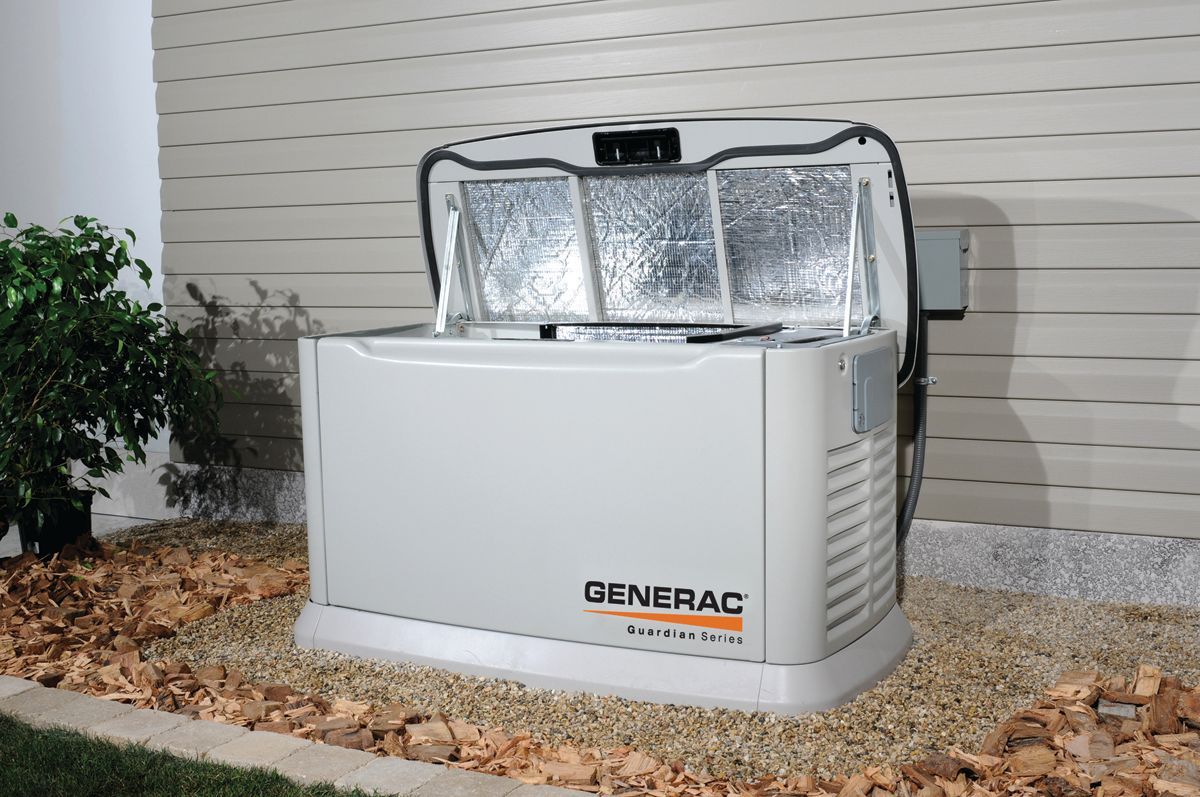
Whole house generators are powerful backup systems designed to provide electricity to an entire home during a power outage. Unlike smaller, portable generators that can only power a few appliances, whole house generators can supply electricity to an entire residence, ensuring that all essential and non-essential circuits remain functional. These systems are typically installed permanently outside the home and connect directly to the home's electrical system. With high power output, they can keep everything from lights and refrigerators to HVAC systems running smoothly when the grid fails.
Whole house generators usually operate on natural gas or propane, making them incredibly efficient and more convenient compared to gasoline-powered portable models. They automatically start when a power outage is detected, providing a seamless transition from grid power to backup power. This ensures there’s no significant downtime in electricity, which can be vital for homes with medical equipment or other critical electrical needs. By facilitating a continuous power supply, these generators significantly enhance home comfort and safety during emergencies.
Investing in a whole house generator also means you are opting for a long-term solution that can increase your property’s overall value. As the demand for reliable energy solutions grows, homes equipped with such systems are becoming more attractive to buyers, who view these systems as a beneficial and sometimes essential feature. Understanding the basics of whole house generators can empower homeowners to make a decision that aligns with their energy needs and future plans.
How They Differ from Portable Generators
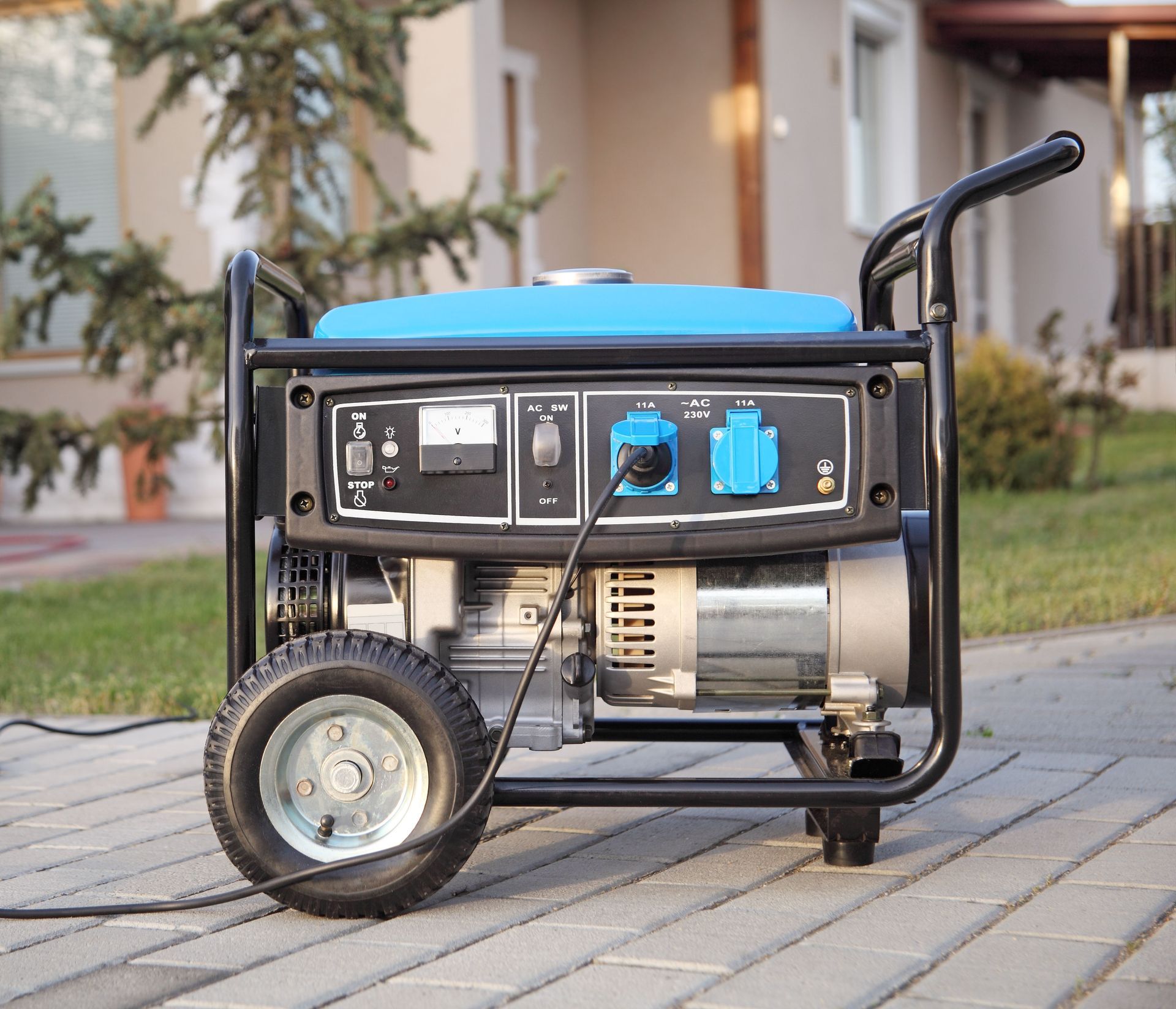
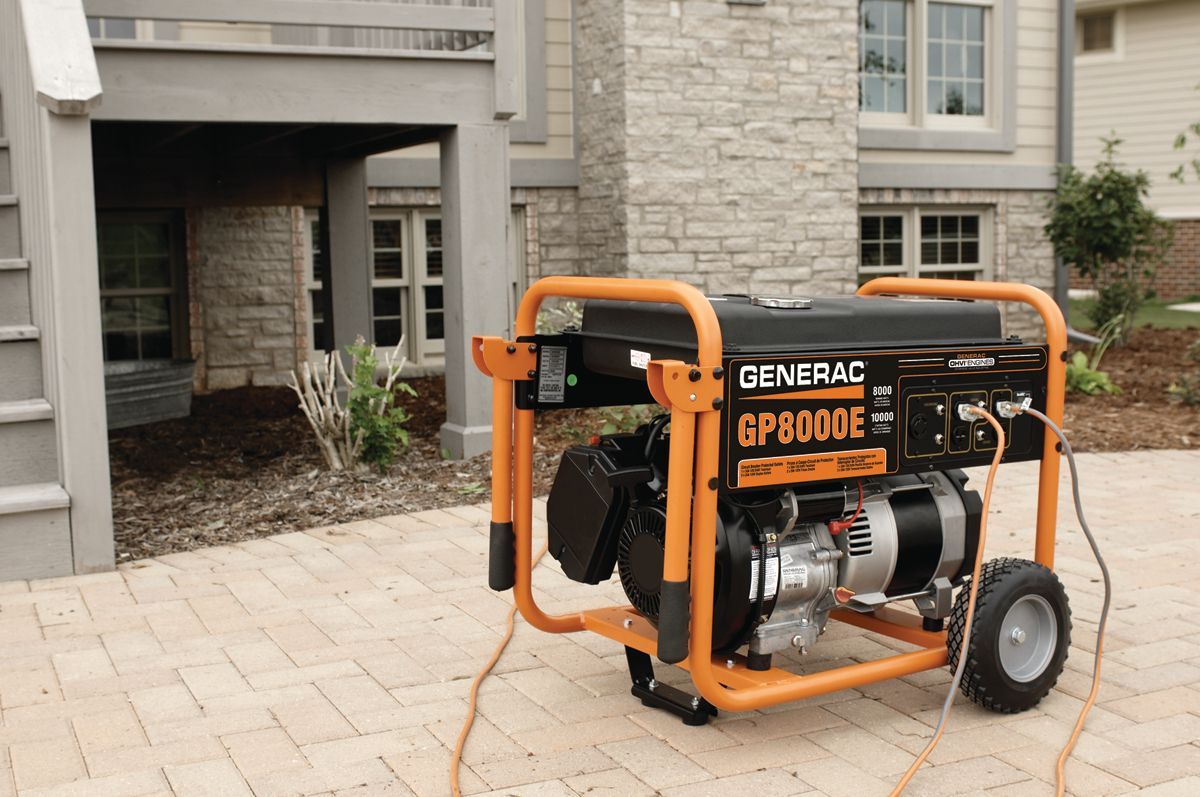
While both whole house generators and portable generators serve to provide backup electricity, their scope and usability differ significantly. Portable generators are designed for temporary use, often necessitating manual setup and connection to specific appliances through extension cords. In contrast, whole house generators are integrated into the home’s electrical system, providing automatic backup power to the entire building rather than selected circuits.
Whole house generators offer the advantage of greater power capacity, allowing for a complete and uninterrupted continuation of home activity regardless of the outage's duration. Portable generators, on the other hand, usually serve as short-term solutions and often require more frequent refueling due to smaller fuel tanks. As efficient power solutions, whole house generators ensure that all home systems, including high-demand ones like water heaters and heating or cooling systems, function flawlessly during a power outage.
How Do Whole House Generators Work?
Installation Process
Installing a whole house generator involves several steps and professional expertise, ensuring it aligns with local regulations and operates safely. The process begins with selecting a suitable location, typically outside the home, with consideration for proximity to the electrical meter and gas supply. This initial phase is crucial, as an improper location can lead to safety hazards and inefficiency.
An automatic transfer switch is typically installed alongside the generator, enabling an instant switch from grid power to generator power during an outage. This component is vital to the seamless operation of the generator system, facilitating a quick response that minimizes downtime. Professional electricians will integrate the system with the home’s existing wiring, ensuring thorough checks are completed to account for the property’s electrical demands.
Mechanics of Power Backup
Once installed, a whole house generator becomes an essential fixture that safeguards the home against power interruptions. The generator is connected to the home's electrical system and is designed to detect power outages automatically. This detection is achieved through monitoring the electrical flow from the grid to the house, which triggers the generator to start once an outage is identified.
When an outage occurs, the transfer switch automatically disconnects the home from the main utility line and connects to the generator, thus supplying power. This switch ensures that the backup operation is almost instantaneous, preventing any long-term disruption in home activities. The generator then continues to run, maintaining electricity supply until grid power is restored, at which point the transfer switch reverts back to the normal operation mode.
What are the Benefits of Having a Whole House Generator?
Continuous Power Supply
One of the most significant benefits of investing in a whole house generator is ensuring a continuous power supply during outages. This capability is essential, particularly for homes located in areas prone to frequent power disruptions due to adverse weather conditions or an unreliable power grid. With a whole house generator, essential systems such as heating and cooling, lighting, refrigeration, and security can keep running uninterrupted, maintaining home operations and safety.
The uninterrupted power transition provided by these generators is vital for homes where occupants depend on electrically powered medical devices. In such scenarios, even a short-term loss of electricity could pose severe health risks, making the reliability of whole house generators particularly valuable. Furthermore, maintaining power consistency ensures that perishable goods remain safe and that the comfort of a home is preserved no matter the external conditions.
Financial Advantages
While the initial investment in a whole house generator can be substantial, the financial advantages over time make it a worthwhile consideration. Homeowners can save money by preventing damage to critical appliances and systems that can occur during a power outage. For instance, sump pumps that depend on electricity to prevent basement flooding continue operating with backup power, thereby avoiding costly water damage repairs.
The installation of a whole house generator can also provide financial returns in terms of energy efficiency. Many models are designed to optimize fuel use, ensuring that you get the most out of every drop of fuel. This efficiency, coupled with a reliable power source, means that homeowners spend less over time compared to the costs associated with frequent outages and generator maintenance.
Understanding these key aspects can guide homeowners in making informed decisions about investing in a whole house generator. With an increasing emphasis on reliable home power solutions, whole house generators present themselves as valuable long-term investments. Aside from their intrinsic benefits like continuous power supply, financial advantages, and ensuring comfort and safety, they significantly add to a home’s resale value.
The rapid growth projected within the residential generator market further underscores the growing awareness and importance of having stable backup power systems. As more homeowners recognize the critical role these generators play during power outages, their demand and implementation across residential properties continue to increase. Whole house generators provide not just a temporary solution but a comprehensive approach to addressing the future's uncertain energy needs.
Ultimately, investing in a whole house generator is a strategic decision that extends far beyond simply having a power backup. It encapsulates preparedness, enhances home resilience against unexpected interruptions, and highlights a commitment to maintaining uninterrupted living standards. With the correct approach and options tailored to fit specific home requirements, such generators ensure that comfort and peace of mind remain constants in the face of an unpredictable power landscape. Reach out to Parker Power Systems today to see how we can help you!