March 18, 2026
A commercial generator is a critical asset for businesses aiming to maintain continuous operations in the face of power failures. These power outages can result in significant financial losses and operational disruptions, affecting businesses disproportionately. In an era where digital dependence is paramount, any halt in electricity could mean a standstill in productivity. Protecting against these interruptions not only safeguards immediate revenue but also long-term business reputation. This article will explore the intricacies involved in utilizing commercial generators to power businesses efficiently and effectively.
The Basics of Commercial Generators
Commercial Generator Definition
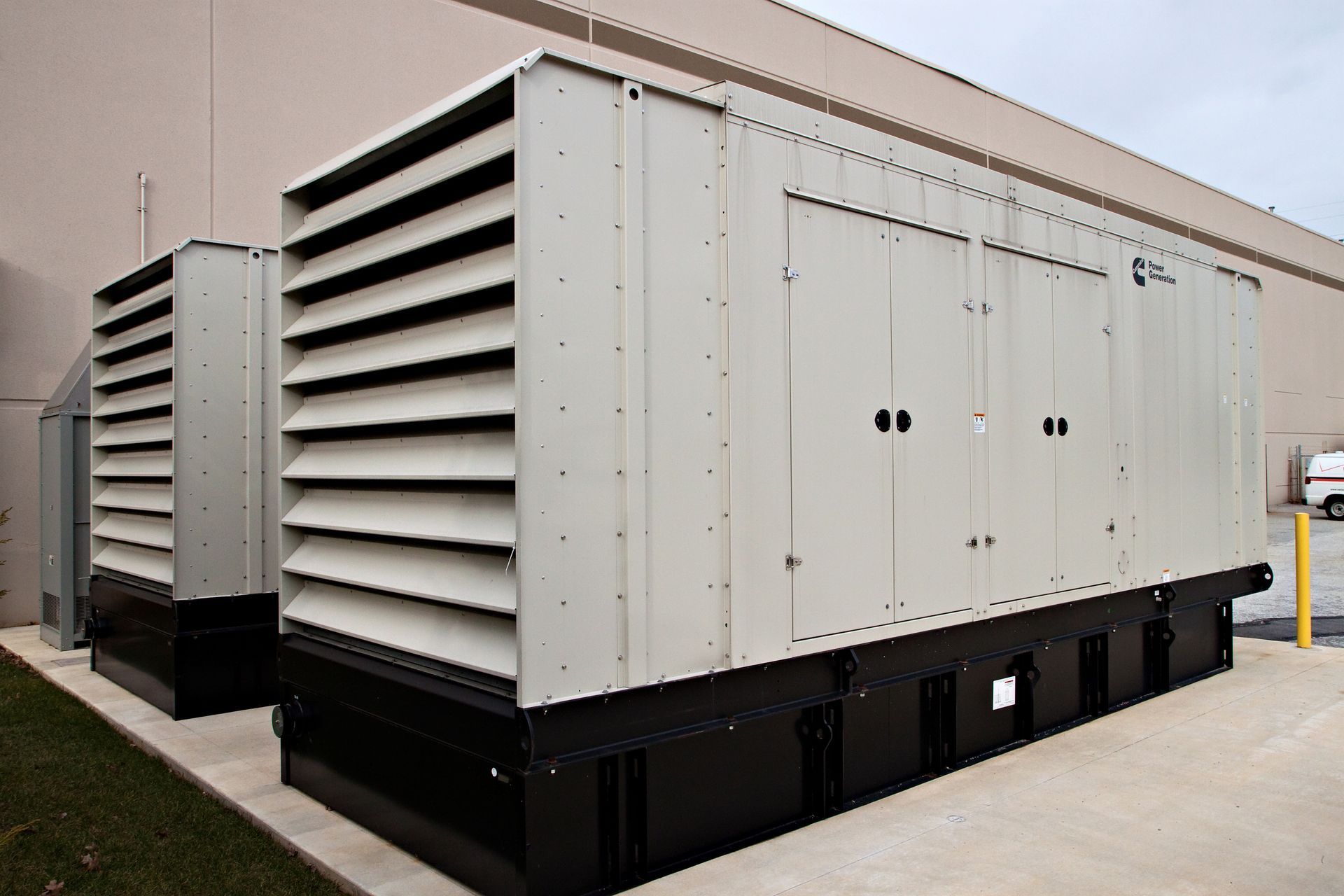
Commercial generators are robust power machines designed to safeguarding for business operations during outages. Unlike residential generators, which are typically smaller and designed for minimal power needs, commercial generators can power multiple systems and equipment. They differ primarily in capacity, power output, and endurance, catering to the higher demands of business settings. Businesses rely on these generators as reliable backup solutions to avoid costly downtime. Investing in commercial-grade generators ensures that all critical infrastructure stays operational, safeguarding economic productivity.
Types of Commercial Generators
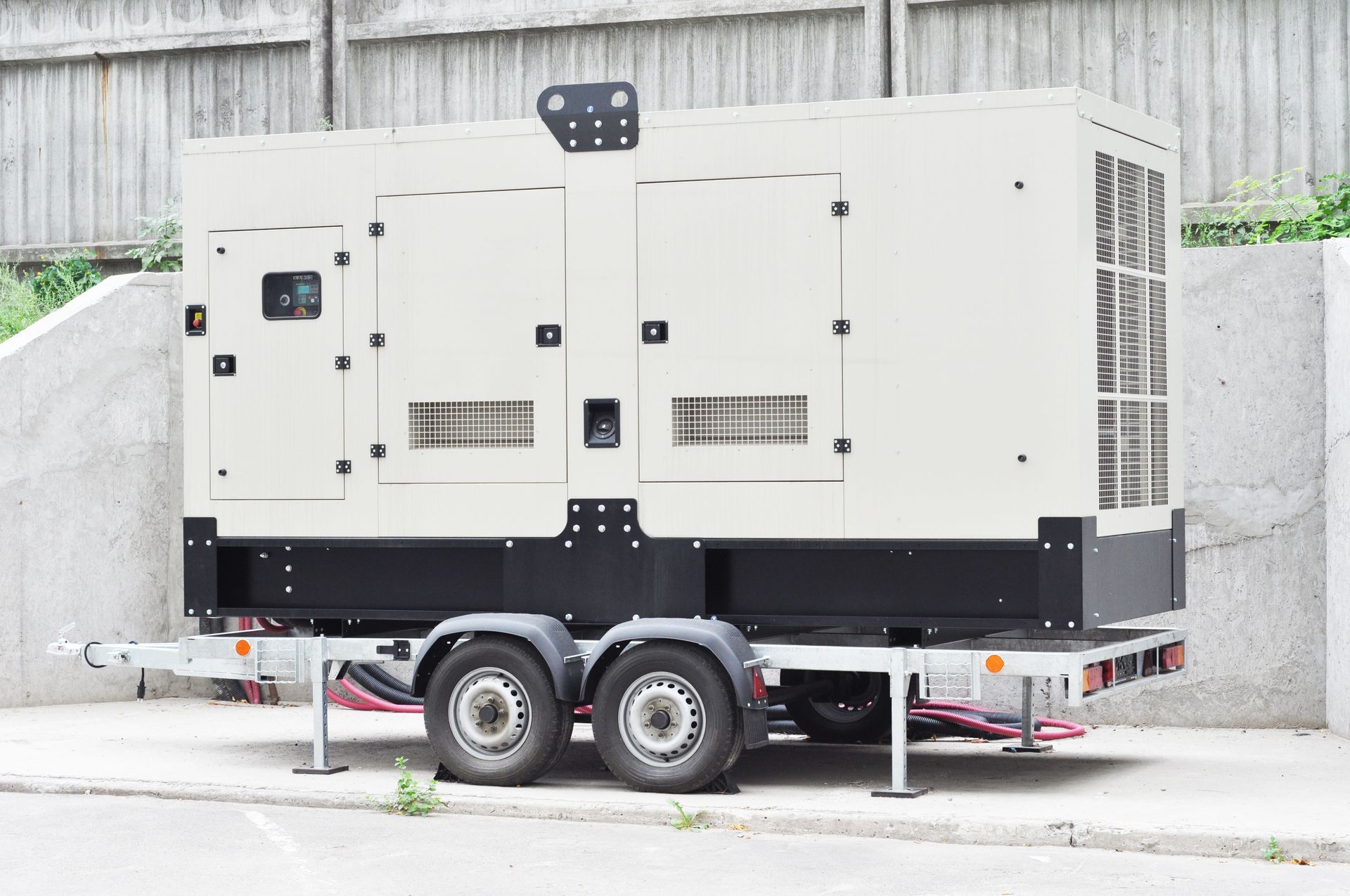
There are several types of commercial generators, each tailored to suit varying business requirements. The most common types include standby generators, portable generators, and inverter generators. Standby generators are stationary units that provide continuous power availability and are ideal for major facilities. Portable generators, though less powerful, offer flexibility for temporary use or at multiple locations. Inverter generators provide clean and stable electricity, which is crucial for sensitive electronic devices, making them a suitable option for IT-heavy businesses.
Key Components
A commercial generator comprises multiple components, each critical to its operation. The engine is the heart, driving mechanical energy to produce electricity. Alternators convert this mechanical energy into electrical energy, while the fuel system provides the necessary energy source, such as diesel or natural gas. The voltage regulator ensures output electricity remains stable, safeguarding connected equipment from electrical fluctuations. Together, these components ensure reliable power delivery, enabling the business to operate seamlessly during outages.
Fuel Types and Their Implications
Commercial generators operate on various fuel types, each with its unique benefits and drawbacks. Diesel generators are popular for their efficiency and longevity, but may have higher emissions. Natural gas generators are known for their cleaner output and abundant fuel supply, though installation can be more complex. Propane is another option offering clean burn and long shelf life, but it can be more costly to use. Businesses need to evaluate their specific power needs, environmental regulations, and cost constraints when selecting fuel types.
Installation Considerations
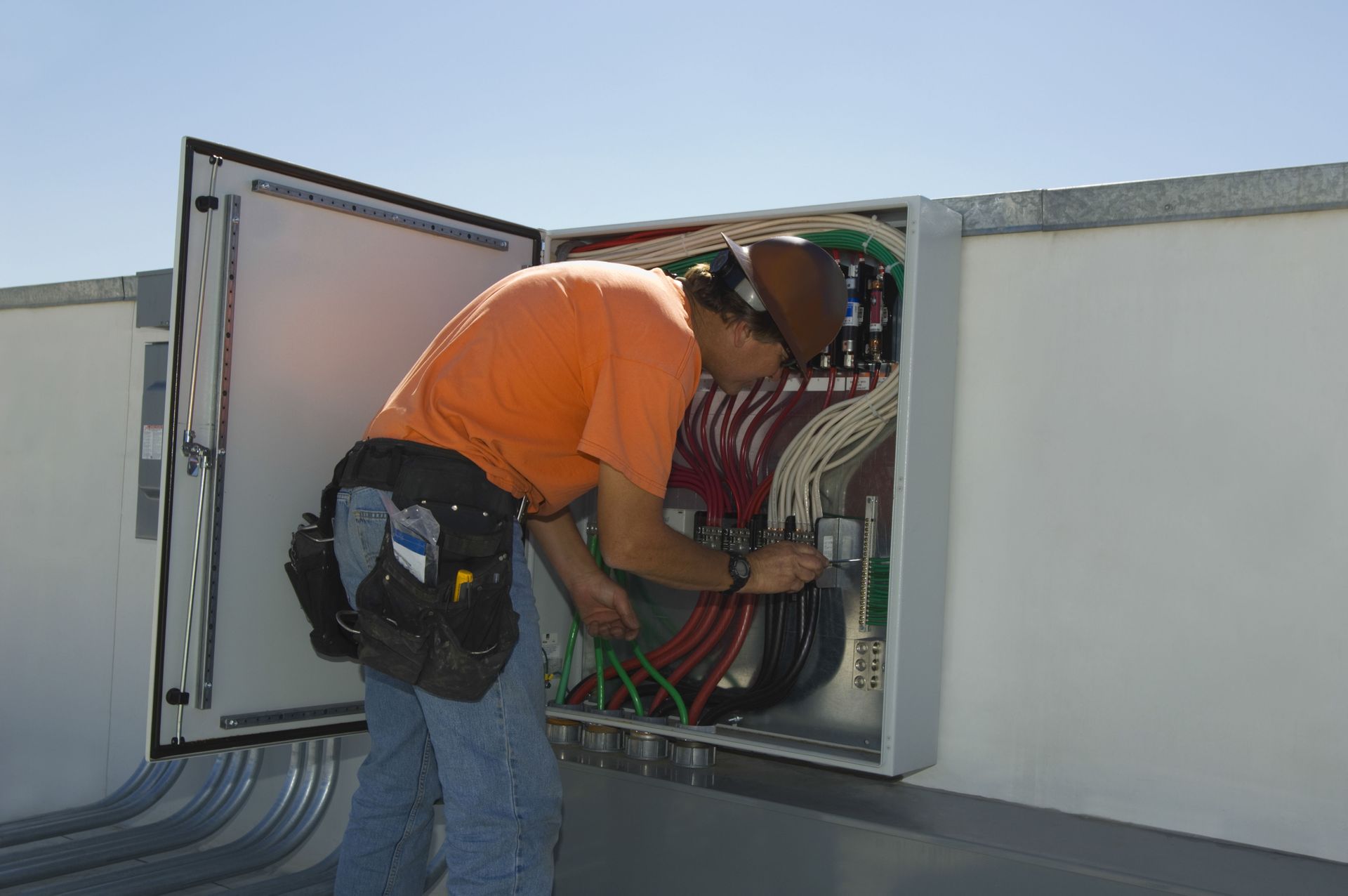
Installing a commercial generator involves several important considerations to ensure optimal performance. Businesses must assess their power usage and select a matching type their load requirements. Location is critical; sufficient space and ventilation are necessary, and the site must be accessible for maintenance. Additionally, compliance with local regulations and electrical codes is imperative to avoid legal complications. Proper planning and execution during installation are pivotal for ensuring the generator's reliability and efficiency during power outages.
Benefits of Using a Commercial Generator
Ensuring Business Continuity
Commercial generators play a vital role in assuring uninterrupted business operations during power outages. They provide a seamless transition of power, ensuring vital processes continue without interruption. This capability reduces potential downtime, mitigating revenue losses that can occur when operations grind to a halt. Moreover, it prevents potential reputational damage that businesses could suffer when they fail to meet client expectations during service interruptions. Ensuring business continuity is not just about maintaining operations; it's about safeguarding the trust and reliability businesses offer to their customers.
Cost Efficiency
Investing in commercial generators can be a cost-effective decision in the long term. Initial setup costs might be significant, but they are offset by reduced operational downtime and saved revenues during power outages. Additionally, businesses may benefit from tax incentives associated with energy efficiency upgrades and reliable energy systems. Over time, the cost savings from preventing spoilage, lost productivity, and unfulfilled contracts can outweigh the initial expenses. According to Reuters, Generac says demand for standby generators spikes during extreme weather, with each major storm bringing $50-100 million in sales, highlighting the economic benefit of preparedness.
Customer Trust
A reliable power setup fosters customer trust by ensuring consistent service and product delivery. Customers rely on businesses to deliver on promises, irrespective of external variables such as power outages. A business that can maintain operations during grid failures demonstrates resilience and dedication to quality service. This reliability, in turn, strengthens customer loyalty and enhances brand reputation. By investing in commercial generators, businesses are not merely protecting operations; they are securing their reliability in the eyes of their customers.
Protecting Equipment and Data
A stable power supply is paramount to protecting crucial business assets such as equipment and data. Power surges and sudden outages can result in equipment damage, leading to costly repairs and replacements. Moreover, electronic data is sensitive to abrupt power failures, risking corruption or total loss. Generators help ensure that power remains constant and clean, thereby safeguarding both physical and digital assets. This investment in protective measures contributes to prolonged equipment life and the integrity of business data.
Environmental Benefits
Modern generators are not only becoming more efficient but also more environmentally friendly. Technological advancements have led to generators that emit fewer pollutants and consume fuel more efficiently. By choosing newer generator models, businesses contribute to sustainability efforts and reduce their environmental footprint. Many companies now integrate alternative fuels, which feature lower emissions, aligning with global drives towards eco-friendliness.
Challenges in Operating Commercial Generators
Maintenance Requirements
Regular maintenance is essential for the operational efficiency and reliability of commercial generators. Like any complex machine, neglecting maintenance can lead to performance issues or complete failure when needed most. Routine inspections, oil changes, and part replacements are crucial for ensuring generators operate smoothly. The cost of regular maintenance is counterbalanced by the avoidance of unexpected breakdowns or repairs. Businesses must factor these maintenance requirements into their operational budgets to sustain uninterrupted power solutions.
Initial Investment Costs
The initial financial outlay for purchasing and installing a commercial generator can be considerable. Businesses must conduct thorough cost-benefit analyses to ensure investment viability. Initial costs include the purchase price, installation fees, and potential modifications to existing electrical systems to accommodate the generators. Additionally, companies must consider potential hidden costs, such as insurance or extended warranties. While high, these initial expenditures should be weighed against long-term operational savings and reduced downtime costs.
Regulatory Compliance
Businesses installing commercial generators must comply with a range of regulations and standards. These include environmental regulations regarding emissions and noise levels, as well as safety standards for installation and operation. Failure to comply with these standards can result in legal penalties or forced modifications. Staying informed about local laws and regulations is crucial for maintaining compliance. Partnering with knowledgeable providers can help businesses navigate the complexities of regulation and ensure all legal requirements are met.
Investing in a commercial generator is a strategic decision that provides numerous benefits, including the assurance of business continuity, cost savings, and enhanced customer trust. While initial costs and maintenance are notable considerations, the potential benefits of uninterrupted power far outweigh these challenges. If you have any questions or would like more information about our generators, call us at Parker Power Systems today.