August 18, 2026
Whole house generators are becoming increasingly crucial in today's unpredictable climate. They offer a reliable power supply when primary electricity services fail, enhancing property resilience significantly. Beyond just the convenience of uninterrupted power, installing whole house generators contributes directly to property equity, making homes more valuable in the real estate market. This article delves into the numerous benefits and considerations of installing whole house generators, providing a comprehensive guide for homeowners. From understanding the technology to assessing financial implications, we will explore how these power solutions can transform residential properties.
Understanding of Whole House Generators
Overview and Primary Functionality
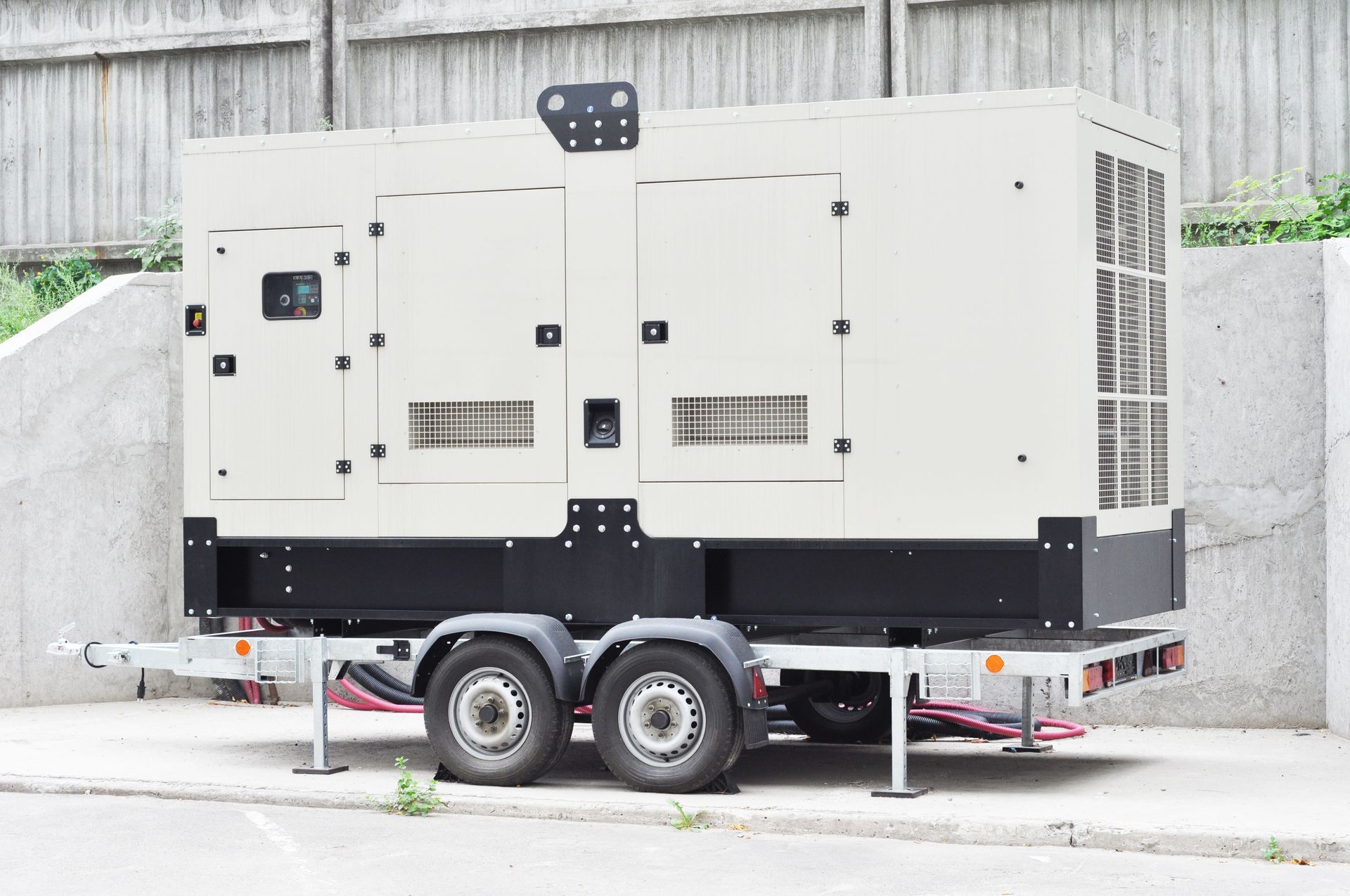
Whole house generators are backup power systems that automatically supply electricity to all or selected parts of a home during an outage. Unlike portable generators, these systems are permanently installed and automatically activated when the main power supply is interrupted. They are connected to a home's electrical system and can provide a continuous power flow for extended periods. This feature makes whole house generators especially valuable in areas prone to storms, hurricanes, or power grid failures. Additionally, they offer peace of mind by eliminating worries about losing electricity during critical moments.
Examination of Key Components and Technology
The technology behind whole house generators involves several key components working in tandem. The generator engine is the powerhouse, typically fueled by natural gas, propane, or diesel. It converts chemical energy into mechanical energy, which is then transformed into electrical energy. A flywheel, starter motor, and governor work together to regulate engine speed and ensure optimal performance. Meanwhile, the alternator produces the electrical current that powers home appliances and systems. It’s critically important, according to Mass.gov, to install the generator outside the home, at least 10 feet from doors, windows, and vents. This setup ensures safe ventilation of exhaust gases, protecting indoor air quality and health.
Classification of Available Generator Types
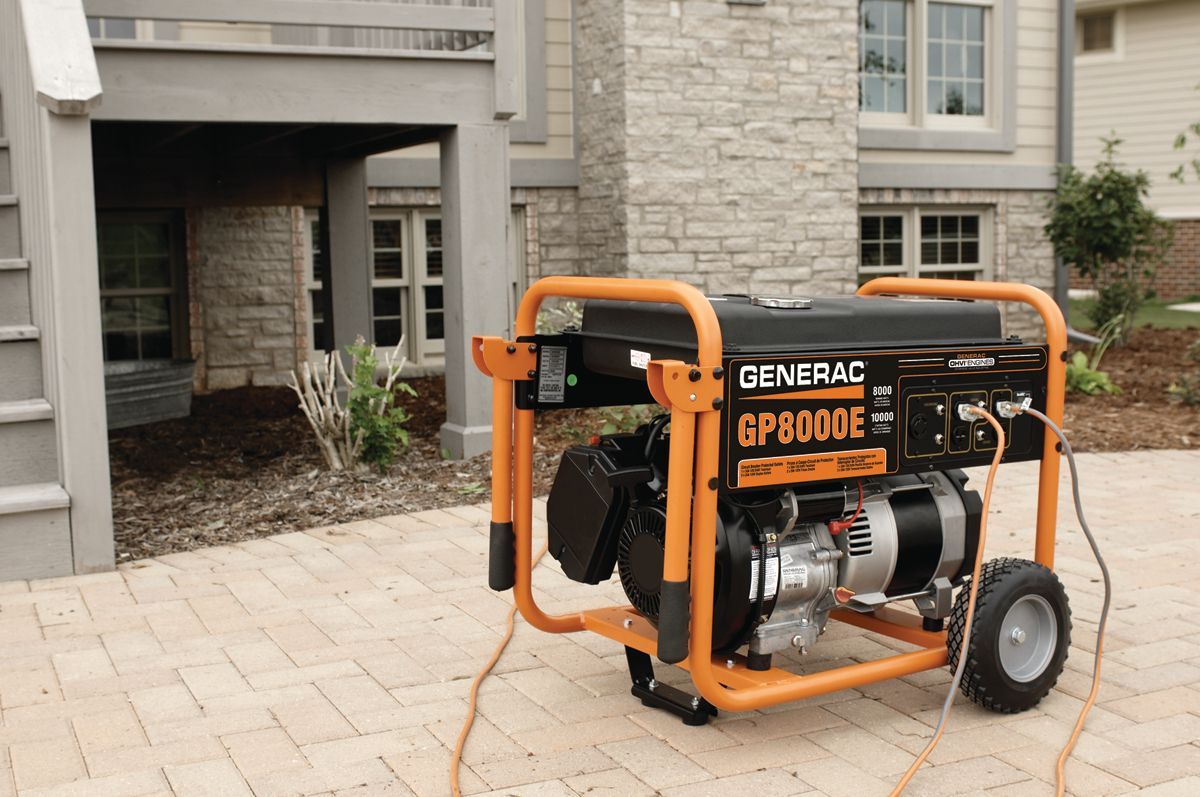
There are several types of systems available when evaluating whole house generators, each designed to meet specific needs and preferences. Standby generators are the most common type, designed to provide uninterrupted power by automatically switching on when the main power fails. They are permanently installed and integrated with the home's electrical system. Portable generators, while not as robust, offer flexibility and are often used for temporary backup power needs. Inverter generators, though typically smaller, provide clean and stable electricity, making them suitable for sensitive electronics.
Comparison of Available Fuel Options
Fuel options for whole house generators include natural gas, propane, diesel, and even solar power. Natural gas is highly efficient and convenient, as it is often already connected to most homes, eliminating the need for additional storage. It burns cleaner than other fossil fuels, but its availability can be affected by supply issues during natural disasters. Propane, though more expensive, offers long shelf life and cleaner burning, making it a favorable alternative. Diesel generators provide high efficiency and performance under heavy loads but require regular maintenance due to the fuel's dirtier nature.
Sizing Procedures for Residential Properties
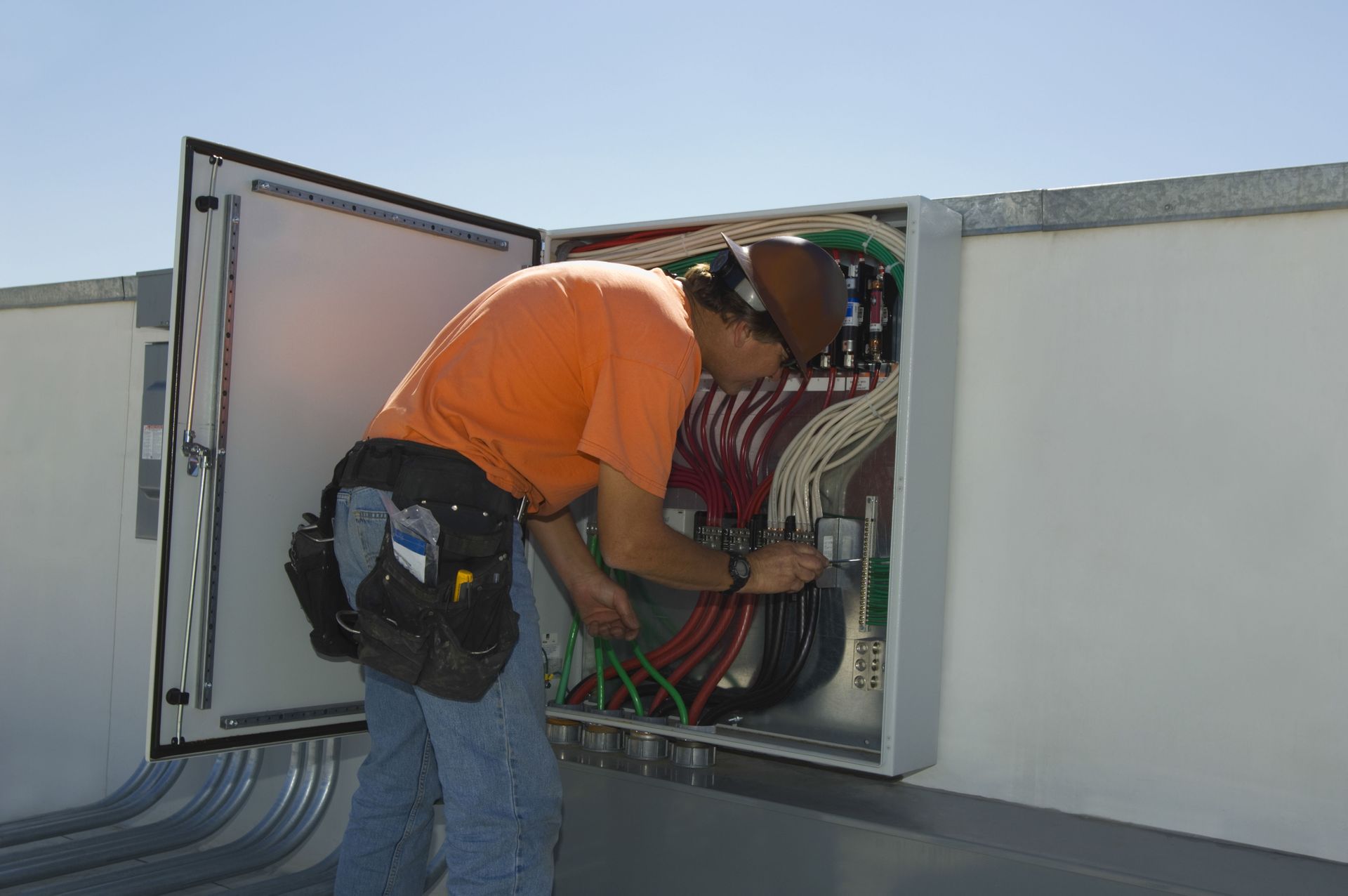
Selecting the proper generator size is crucial for effectively meeting a home's energy demands. An undersized generator may not provide enough power, leading to generator overload and potential damage to appliances. Conversely, an oversized generator could result in unnecessary expense and inefficient fuel use. Assessing the energy needs of a household requires calculating the total wattage of all critical appliances and systems. An electrician can assist in estimating energy demands and recommending an appropriately sized unit.
Enhancement of Property Resilience
Defense Mechanisms Against Power Outages
Properly installed whole house generators serve as a vital line of defense against unexpected power outages. With climate change contributing to more frequent and severe weather events, power interruptions are becoming a regular occurrence. These power loss instances can have significant repercussions, from spoiled food to non-functional HVAC systems, which can affect a home's habitability. Having a system in place means homeowners are better prepared for storms, utility failures, or grid disruptions. By automatically activating during power failures, these generators ensure continuity and safeguard valuable home systems.
Maintenance of Critical Home Functions
Systemic whole house generators play a crucial role in maintaining critical home functions during power outages. Security systems, for instance, rely heavily on electrical power to function. In an outage, without a reliable power source, surveillance cameras, alarms, and automated locks could be rendered non-operational. Backup generators ensure that these critical security measures remain functional, keeping homes safe from intrusions or unauthorized access. Furthermore, in winter, maintaining heating systems is vital to prevent pipes from freezing, which could lead to costly water damage.
Integration with Home Security Systems
Integrating a backup power generator with home security systems enhances a property's resilience. Alarm systems, surveillance cameras, and sensors often rely on electricity, and a power outage can render them ineffective. By guaranteeing an uninterrupted power supply, generators ensure these systems remain operational and protect the home from potential threats. This consistency not only deters intruders during blackouts but also assures homeowners of continued surveillance and monitoring. Investing in a generator adds another layer of security to the home security setup.
Evaluation of Durability and Emergency Reliability
Modern whole house generators are designed for durability and reliability, particularly under extreme conditions. These units are constructed to withstand harsh weather and utility crises, providing consistent power when it's needed most. High-quality generators feature robust enclosures that protect critical components from debris, moisture, and extreme temperatures. This resilience ensures that the system operates without fail, regardless of external circumstances. Whether facing hurricanes, blizzards, or heatwaves, generators are built to endure and deliver uninterrupted power.
Management of Power Load and Efficiency
Effective management of power load and efficiency lies at the heart of backup power usage. Understanding the power demands of critical and non-critical home devices enables better allocation of energy resources. The generator's output should be distributed to maintain essential functions while avoiding overloads. Power management systems can automatically monitor and adjust load distribution, further optimizing generator performance. This automation reduces manual involvement, ensuring efficiency and operational consistency throughout usage.
Increase in Property Equity
Boosting Real Estate Appraisals
Installing a standby power system can significantly boost the real estate value of a home. During property appraisals, homes equipped with standby power solutions are likely to be valued higher, reflecting the added security and functionality they offer. Potential buyers often favor homes with pre-installed generators as they recognize the long-term benefits of reliability and safety. The investment extends beyond immediate convenience, creating an asset that enhances marketability. This value boost is particularly noticeable in regions prone to frequent power disruptions.
Cultivation of Buyer Market Appeal
The presence of a standby generator can significantly bolster the appeal of a property to potential buyers. In an age where home safety and convenience are paramount, the assurance of uninterrupted power makes a property attractive. Buyers are increasingly prioritizing homes that include modern amenities designed to manage adverse conditions. A home generator symbolizes readiness and resilience, characteristics that resonate with those seeking long-term stability. The convenience afforded by such systems eliminates concerns over power outages and associated inconveniences.
Installing a whole house generator is an invaluable investment that combines immediate operational security with long-term financial equity. By guaranteeing uninterrupted power during extreme weather events and utility outages, these systems protect essential home functions, safeguard security networks, and prevent costly structural damage like frozen pipes. Beyond emergency preparedness, a permanent standby generator enhances real estate marketability and boosts property appraisal values. Prioritizing correct sizing, safe external installation, and proper fuel selection ensures your home remains resilient, secure, and highly attractive to prospective buyers for years to come.
Protect your home against unexpected outages today by contacting Parker Power Systems for your personalized generator consultation!