July 17, 2026
Home generators provide a reliable backup power source during outages. While the benefits are clear, there are crucial considerations to understand before installation. This guide explains key insights, practical tips, and safety measures to help ensure a smooth, efficient setup. As power outages disrupt daily life, understanding how backup power works can help homeowners make a confident investment in long-term comfort and resilience.
Assessing Your Power Needs
Before installing a generator, assess your total power requirements. Begin by listing the electrical devices and systems you need during an outage, such as lighting, refrigeration, heating, cooling, medical equipment, Wi-Fi, sump pumps, and security systems. Calculate the total wattage to determine the capacity required. Larger appliances often need extra power to start, so consider both starting watts and running watts when reviewing generator options.
It is also important to separate essential loads from non-essential loads. Essential loads usually include refrigerators, freezers, basic lighting, heating systems, and outlets needed for communication or medical equipment. Non-essential items may include entertainment devices, decorative lighting, or secondary appliances. By prioritizing what matters most, you can select a system that fits your needs without overspending on unnecessary capacity.
Future power demands should also influence your decision. If you plan to add appliances, finish a basement, install an electric vehicle charger, or expand your living space, your energy needs may grow. According to BobVila.com, a generator rated between 26 and 32 kW is typically sufficient to power an entire home with average energy demands. Planning ahead can help prevent your system from becoming outdated too quickly.
Choosing the Right Generator Type
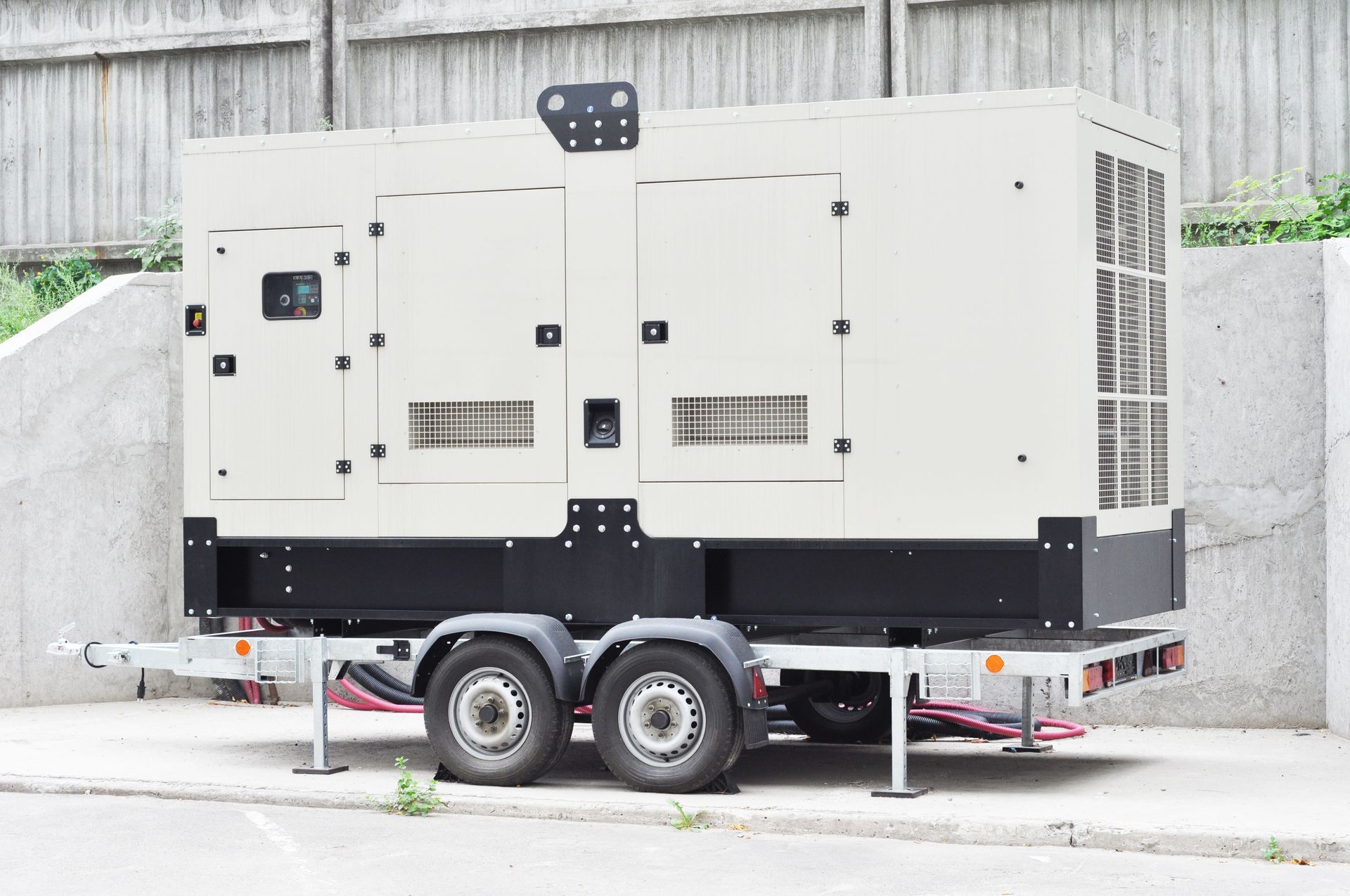
There are several generator types available, and each one offers different benefits. Standby generators are permanently installed outside the house and connect directly to the electrical system. They can turn on automatically when an outage occurs, making them one of the most convenient options. A standby home generator is commonly powered by natural gas or propane, which helps reduce the need for manual refueling.
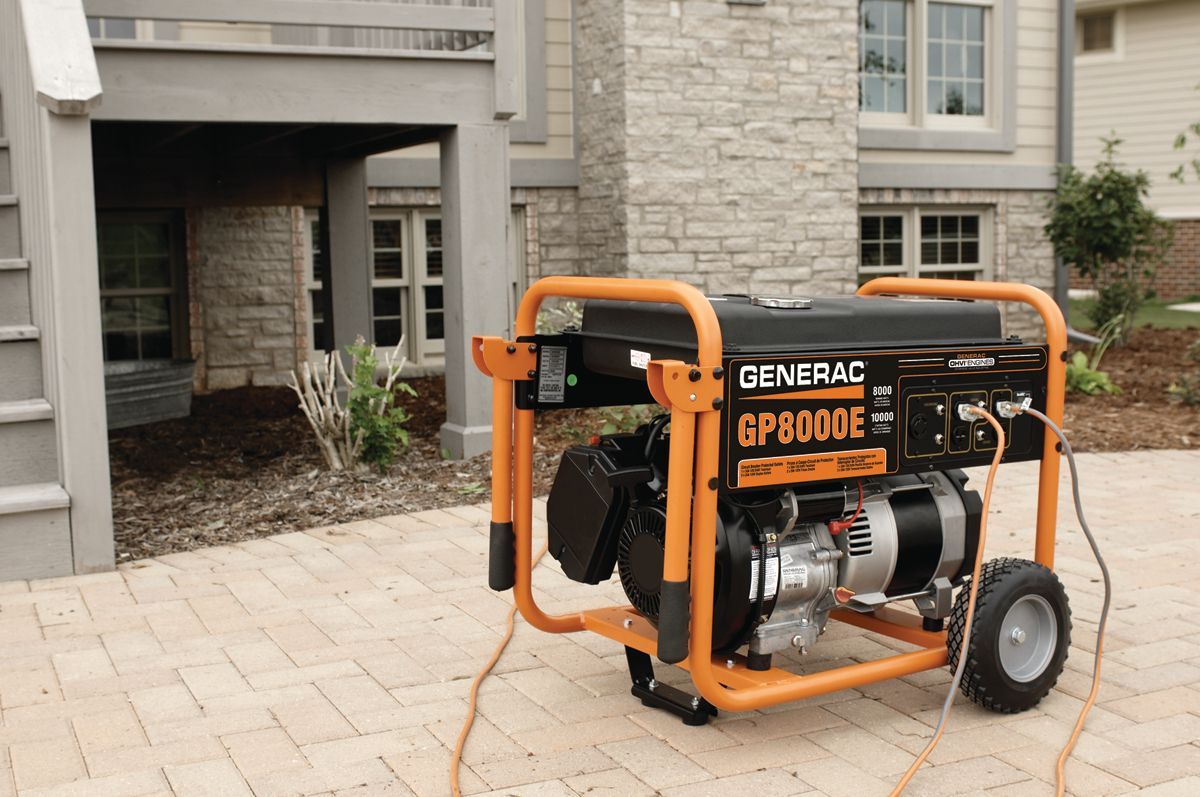
Portable generators are more affordable and flexible, but they require manual setup. They are often powered by gasoline and can support selected appliances or circuits during an emergency. Inverter generators are another option, especially for homeowners who want quieter operation and cleaner power for sensitive electronics. These models adjust engine speed based on demand, which can improve fuel efficiency.
Solar generators appeal to homeowners who want a cleaner energy option. They use solar panels to charge batteries and can provide quiet backup power with minimal operating costs. However, their performance depends on battery capacity, sunlight availability, and overall energy demand. Dual-fuel generators provide added flexibility because they can run on two fuel types, usually gasoline and propane.
Budgeting for Installation and Operation
The purchase price is only one part of the total investment. A home generator may also require electrical upgrades, a transfer switch, fuel connections, a concrete pad, permits, and professional labor. Standby systems usually cost more upfront than portable models, but they offer automatic operation and greater convenience. Portable models may be less expensive, but they require more hands-on effort during an outage.
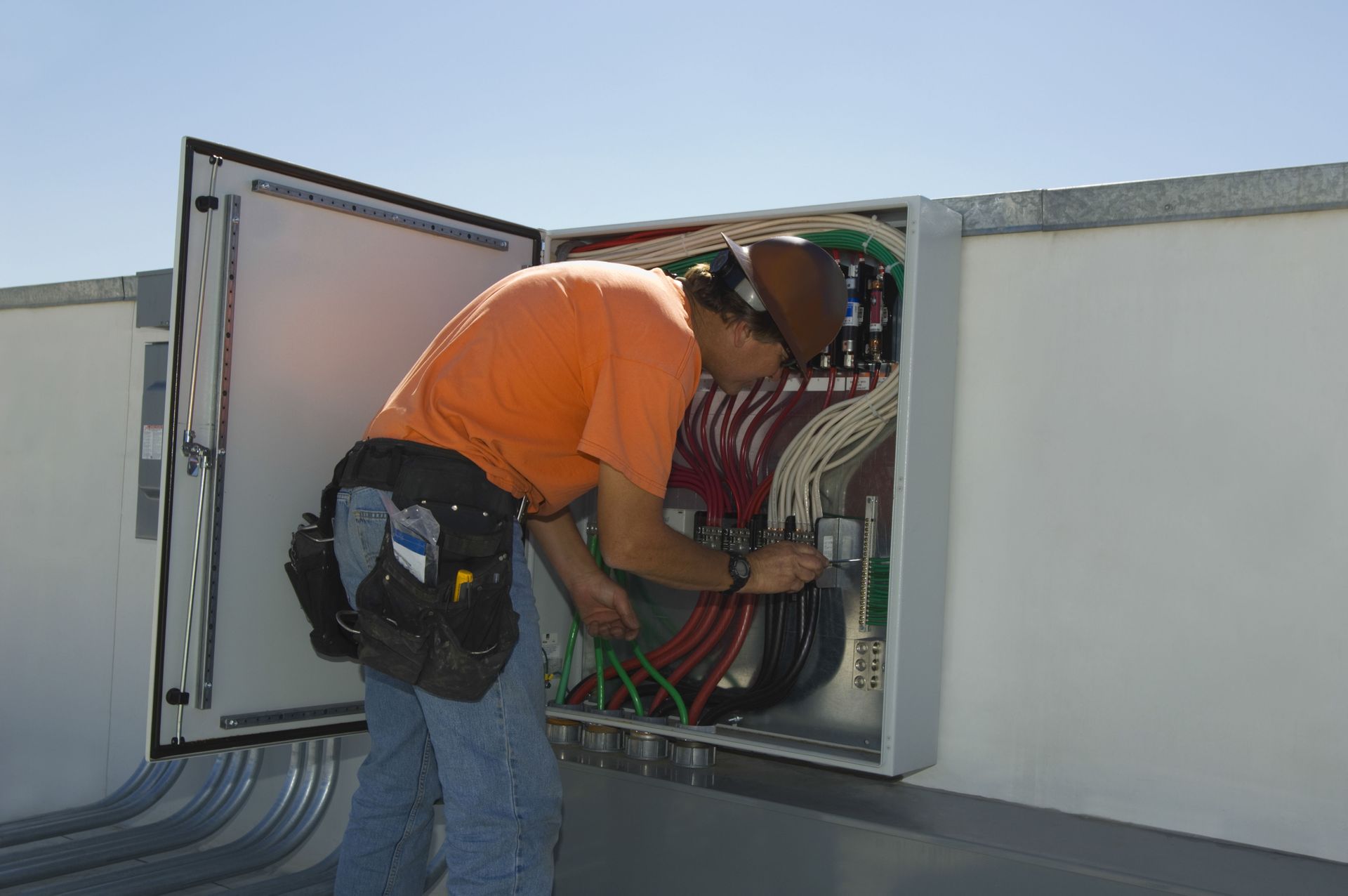
Installation costs vary depending on the size of the generator, property layout, fuel source, and local code requirements. Professional installation is strongly recommended for standby systems because incorrect wiring or fuel connections can create serious hazards. A licensed electrician can ensure the unit connects safely to the home’s electrical panel, while a qualified plumber or gas professional may be needed for fuel line work.
Ongoing costs should also be part of your budget. Fuel, inspections, oil changes, filters, spark plugs, and occasional repairs all affect long-term ownership. A well-maintained home generator is more likely to perform reliably when an outage happens. Skipping maintenance can lead to starting problems, reduced efficiency, or expensive repairs at the worst possible time.
Selecting a Safe Installation Location
Location is one of the most important safety decisions during installation. Generators must be placed outdoors in a well-ventilated area, away from windows, doors, vents, and enclosed spaces. This helps prevent carbon monoxide from entering the home. The unit should also sit on a stable, level surface that is protected from flooding and excessive debris.
Proximity to a fuel source matters, but safety must come first. Natural gas and propane units need proper clearances and secure connections. Local codes may also require specific distances from property lines, structures, openings, and combustible materials. Before installing a home generator, review manufacturer guidelines and local requirements to avoid placement problems.
Noise is another factor to consider. Some neighborhoods have regulations limiting outdoor equipment noise, especially during nighttime hours. Placing the unit away from bedrooms, patios, and neighboring homes can reduce disruption. Accessibility is equally important because technicians need space to inspect, clean, and service the unit throughout its lifespan.
Understanding Permits and Code Requirements
Many generator installations require permits before work begins. These permits help confirm that the project meets electrical, building, fuel, and zoning standards. Although the permit process may seem inconvenient, it protects the homeowner by ensuring the installation is reviewed for safety and compliance. Failing to obtain permits can lead to fines, insurance issues, or problems when selling the property.
Zoning laws may affect where the unit can be placed. Some communities regulate generator noise, visibility, setbacks, or fuel storage. Homeowners associations may also have rules about equipment placement and screening. Checking these requirements early can prevent delays and costly relocation after installation.
Coordination between professionals is often necessary. Electricians, plumbers, gas technicians, inspectors, and contractors may all play a role in the process. A properly installed home generator should include a transfer switch that prevents dangerous backfeeding into utility lines. This protects utility workers, neighbors, and household electrical systems.
Maintenance and Safety Planning
Regular maintenance keeps your generator ready for emergencies. Maintenance may include oil changes, battery checks, air filter replacement, spark plug inspection, coolant checks, and load testing. Keeping a written maintenance log can help track service dates and identify recurring issues. Follow the manufacturer’s schedule closely so the equipment remains dependable.
Safe fuel handling is also essential. Gasoline should be stored only in approved containers and kept away from heat, sparks, and living areas. Propane tanks should be inspected for leaks and stored according to safety guidelines. Natural gas connections should be checked by qualified professionals. A home generator should never be operated indoors, in a garage, or near open windows.
Testing the system periodically helps confirm that it will work when needed. Standby systems often perform automatic exercise cycles, but homeowners should still listen for unusual sounds and watch for warning lights. Portable units should be started periodically and tested with appropriate loads. Familiarity with startup and shutdown procedures reduces confusion during stressful outages.
Preparing for Emergencies
A generator is most useful when paired with a clear emergency plan. Decide which circuits or appliances will be powered, where fuel will be stored, who will operate the equipment, and what steps should be followed if the system fails. Keep manuals, service contacts, extension cords, and safety instructions in an easy-to-find location.
Household members should understand basic safety rules, especially carbon monoxide prevention. Install carbon monoxide detectors on every level of the home and test them regularly. During long outages, monitor fuel levels, avoid overloading the system, and give equipment time to cool before refueling. These habits support safer operation and reduce the risk of damage.
Installing a generator involves more than choosing a machine. It requires careful planning, proper sizing, safe placement, code compliance, and consistent maintenance. By understanding your needs and working with qualified professionals, you can invest in a backup power system that supports comfort, safety, and peace of mind during unexpected outages. Contact our team at Parker Power Systems today and learn more about our home generator services.