August 17, 2026
A reliable house generator can make a significant difference when severe weather, utility failures, or unexpected emergencies interrupt your home's power supply. Whether you rely on a standby unit that activates automatically or a portable model for temporary backup, routine maintenance is one of the most important steps you can take to keep it operating efficiently. Neglecting basic upkeep can lead to poor performance, unexpected breakdowns, higher operating costs, and a shorter equipment lifespan.
Regular maintenance also improves safety by reducing the risk of fuel leaks, electrical issues, and mechanical failures. By developing a consistent maintenance routine, homeowners can have greater confidence that their generator will start and operate properly during a power outage. The following maintenance tips answer some of the most common questions about caring for a house generator while helping you maximize its performance for years to come.
How Often Should I Service My House Generator?
The ideal maintenance schedule for a house generator depends on the model, how often it operates, and the manufacturer's recommendations. However, most generators benefit from routine inspections throughout the year, along with more comprehensive servicing at regular intervals.
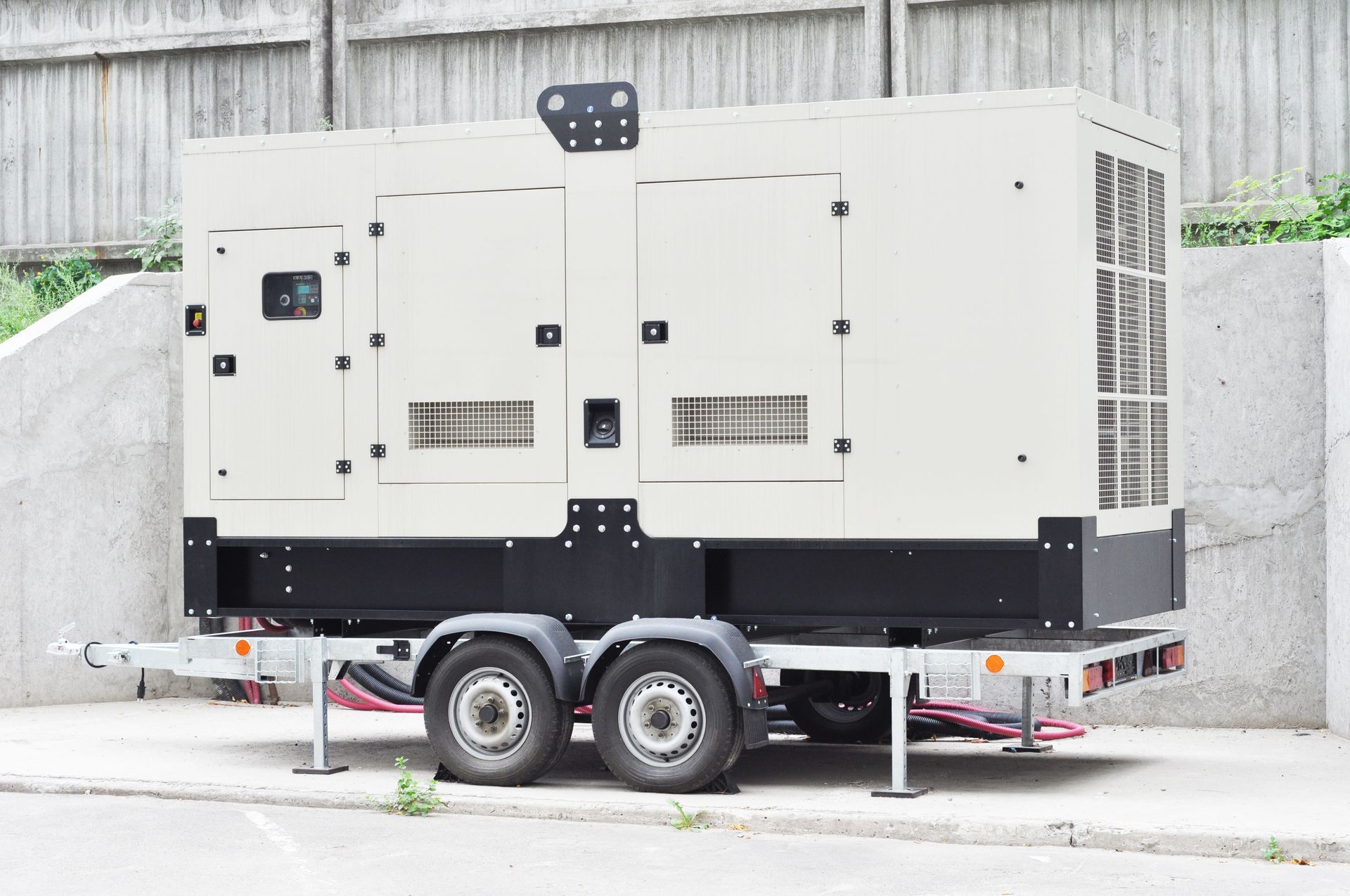
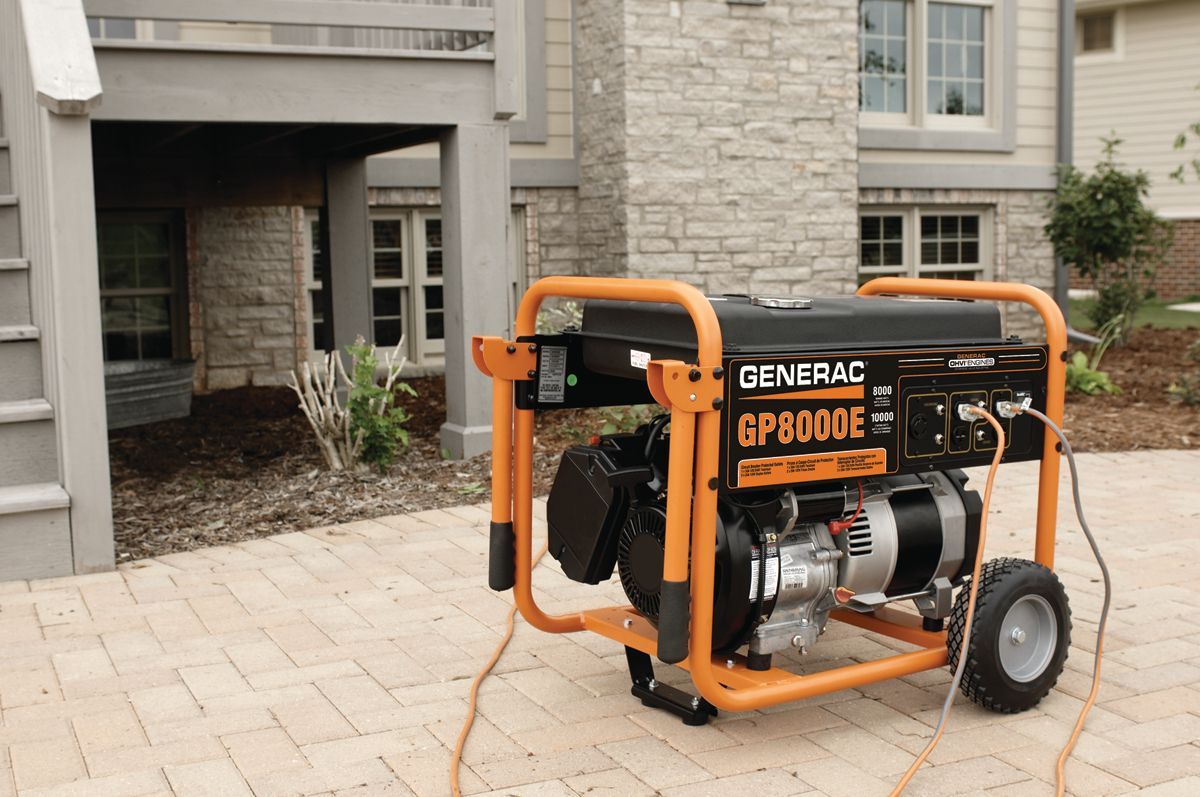
For standby generators, many manufacturers recommend scheduling professional maintenance at least once annually. If your generator runs frequently because of repeated power outages or extended use, more frequent servicing may be necessary. Portable generators should also be inspected before and after periods of heavy use to identify any developing issues.
Routine homeowner maintenance may include checking oil levels, inspecting the battery, examining wiring, and verifying that warning indicators are functioning properly. Oil and filter changes should generally be performed after the recommended number of operating hours listed in the owner's manual.
Exercise cycles are another important part of generator care. Many standby systems automatically run for several minutes each week to keep engine components lubricated and verify proper operation. Homeowners should periodically observe these test runs to make sure the house generator starts smoothly without unusual noises or warning lights.
According to Home Advisor, a quality standby generator that receives regular maintenance can remain operational for approximately 30 to 50 years, providing roughly 3,000 hours of standby power. This highlights the long-term value of following a consistent maintenance schedule rather than waiting until problems develop.
What Is the Best Way to Clean My House Generator?
Keeping a house generator clean helps prevent overheating, corrosion, and premature wear. Dirt, leaves, dust, grass clippings, and other debris can accumulate around the unit over time, restricting airflow and reducing cooling efficiency.
Before cleaning any generator, always shut off the engine and allow all components to cool completely. Disconnect the power source if recommended by the manufacturer, and avoid working around hot engine parts.
Begin by removing loose debris from around the exterior housing using a soft brush or cloth. For standby units installed outdoors, trim nearby vegetation to maintain adequate clearance around the enclosure. Proper airflow helps the engine maintain safe operating temperatures during extended use.
Wash the exterior housing with mild soap and water if necessary, but avoid directing high-pressure water into vents, electrical connections, or engine compartments. Moisture entering sensitive electrical components may cause damage or corrosion.
Air intake openings should also remain free of obstructions. If your generator uses replaceable air filters, inspect them regularly and replace dirty filters according to the manufacturer's maintenance schedule. Clean air allows the engine to burn fuel more efficiently while reducing unnecessary strain.
Which Parts of My House Generator Need Regular Inspection?
Several components work together to keep a house generator operating safely and efficiently. Regular inspections can help identify small issues before they develop into expensive repairs.
Engine oil is one of the most important items to monitor. Low or contaminated oil increases engine wear and may eventually lead to significant mechanical damage. Check oil levels frequently and replace both the oil and filter according to maintenance recommendations.
The battery should also receive regular attention. Standby generators rely on their batteries for automatic starting during outages. Inspect battery terminals for corrosion, verify secure connections, and replace aging batteries before they fail unexpectedly.
Inspect coolant levels if your generator uses a liquid-cooled engine. Maintaining proper coolant levels helps prevent overheating during extended operation.
Fuel lines deserve careful examination as well. Look for signs of cracking, leaks, loose fittings, or deterioration that could create safety hazards or interrupt fuel delivery.
Belts and hoses should remain free of excessive wear, fraying, or cracking. Replacing worn components before failure reduces the likelihood of emergency breakdowns.
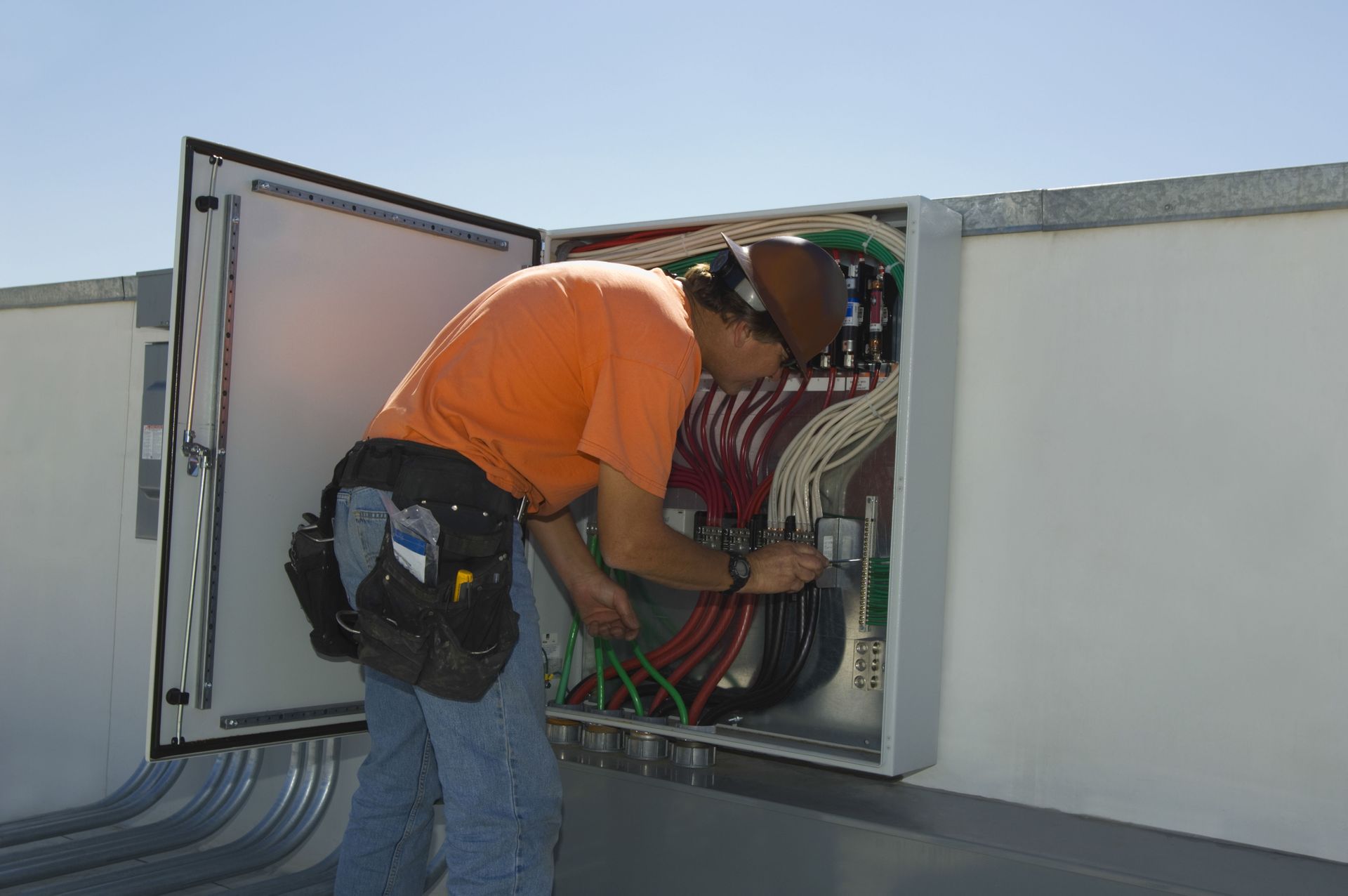
Electrical wiring and control panels should also be visually inspected. Loose wires, corrosion, damaged insulation, or warning lights may indicate developing electrical issues that require prompt attention.
How Can Fuel Management Improve the Performance of My House Generator?
Fuel quality plays a major role in the reliability and longevity of a house generator. Poor fuel management often leads to difficult starting, clogged fuel systems, reduced efficiency, and engine damage.
Gasoline should never be stored indefinitely. Over time, gasoline begins to break down, forming deposits that can clog carburetors and fuel injectors. If gasoline will remain in storage for extended periods, consider using a fuel stabilizer to slow deterioration and help preserve fuel quality.
Diesel generators also benefit from proper fuel management. Water contamination, microbial growth, and sediment buildup can reduce fuel quality and affect engine performance. Periodically inspecting stored diesel fuel helps minimize these risks.
Natural gas and propane standby generators generally eliminate concerns associated with long-term fuel storage, but homeowners should still confirm that fuel supply lines remain secure and free of damage.
Avoid allowing fuel tanks to remain nearly empty for extended periods, especially on diesel systems where condensation may develop inside partially filled tanks. Moisture contamination can contribute to corrosion and fuel system problems.
Running the generator periodically under load also supports healthy fuel circulation and allows fresh fuel to move through the system. These exercise sessions help identify potential issues before an actual emergency occurs.
What Are the Signs That Indicate My House Generator Needs Professional Maintenance?
While homeowners can perform many basic maintenance tasks, some warning signs indicate that professional service is necessary. Prompt attention can prevent larger mechanical failures and improve overall reliability.
Difficulty starting is often one of the earliest indicators of developing problems. If the generator struggles to start, requires multiple attempts, or fails to complete its automatic exercise cycle, a professional inspection is recommended.
Unusual noises should never be ignored. Knocking, grinding, rattling, or excessive vibration may indicate worn bearings, loose components, or internal engine issues requiring immediate attention.
Visible fluid leaks also deserve prompt evaluation. Oil, coolant, or fuel leaks can reduce generator performance while creating safety concerns if left unaddressed.
Excessive exhaust smoke may point to combustion issues, oil consumption, or fuel system problems. Changes in exhaust color or odor often warrant further diagnosis.
Unexpected shutdowns, inconsistent power output, or warning lights appearing on the control panel also signal that professional servicing may be needed. Modern standby generators include onboard diagnostic systems that help identify many developing faults before complete failure occurs.
Corrosion, rodent damage, damaged wiring, or storm-related impacts should also be evaluated by qualified technicians. Attempting major electrical or mechanical repairs without proper training may create additional damage or safety hazards.
A well-maintained house generator provides dependable backup power while helping protect your home during unexpected outages. Consistent maintenance practices such as regular servicing, cleaning, inspections, proper fuel management, and timely professional repairs all contribute to better performance and a longer equipment lifespan.
Rather than waiting for a failure during an emergency, homeowners who follow a preventive maintenance routine can reduce repair costs and improve reliability throughout the year. Investing a small amount of time in routine care helps your
house generator remain ready whenever severe weather or power interruptions occur, providing dependable backup power and greater peace of mind for your household. If you're looking for a home generator, reach out to Parker Power Systems today!