June 17, 2026
In today's world, having a reliable power backup for your home is more critical than ever. Whole house generators are a popular solution, providing peace of mind during power outages. Yet, one of the essential decisions when selecting a generator is choosing the right fuel type. This article delves into the various fuel options available for whole house generators, guiding you towards the best choice for your needs. Choosing the right generator fuel can affect everything from cost to environmental impact, making it crucial to understand the options available.
Advantages of Gasoline
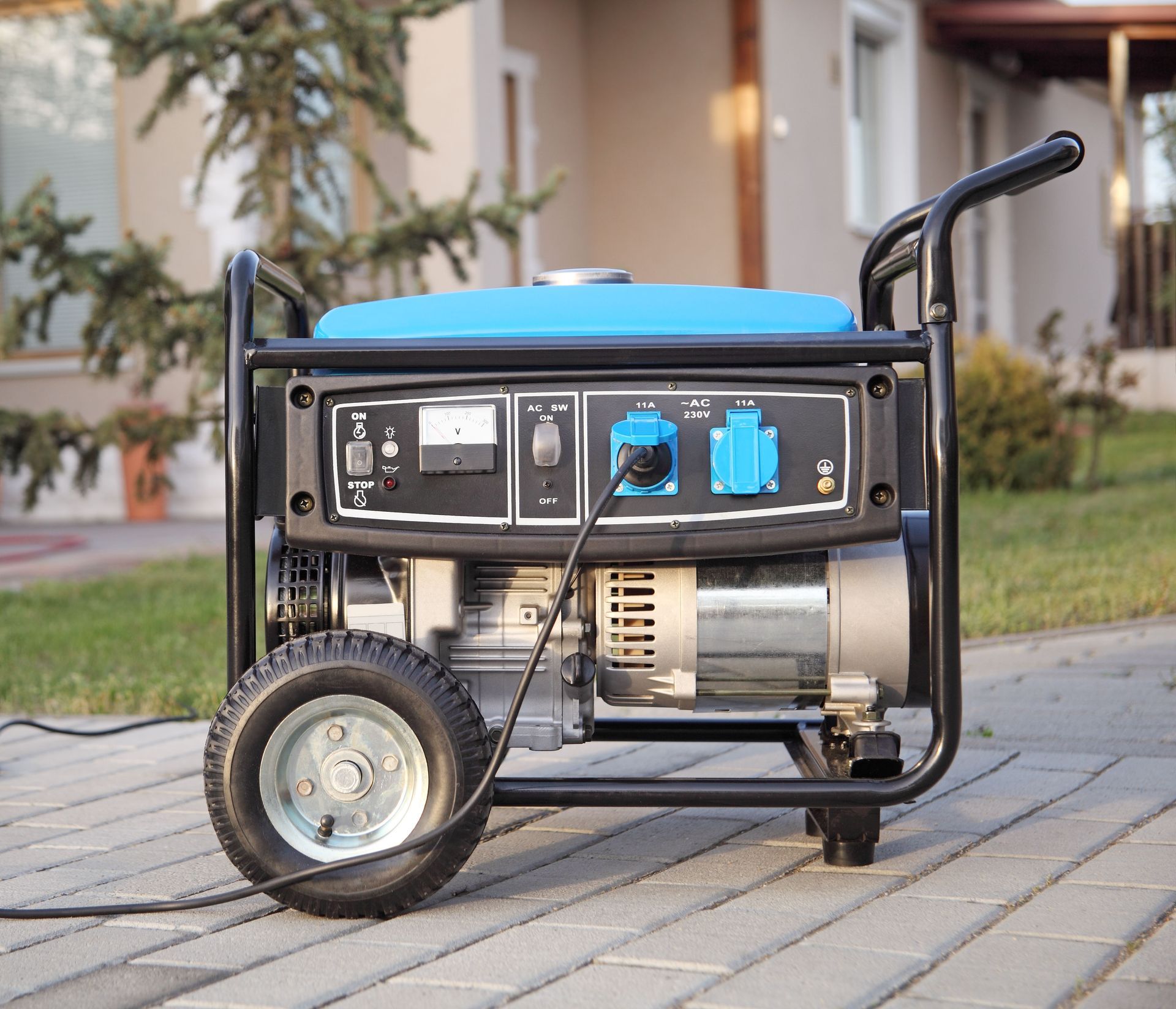
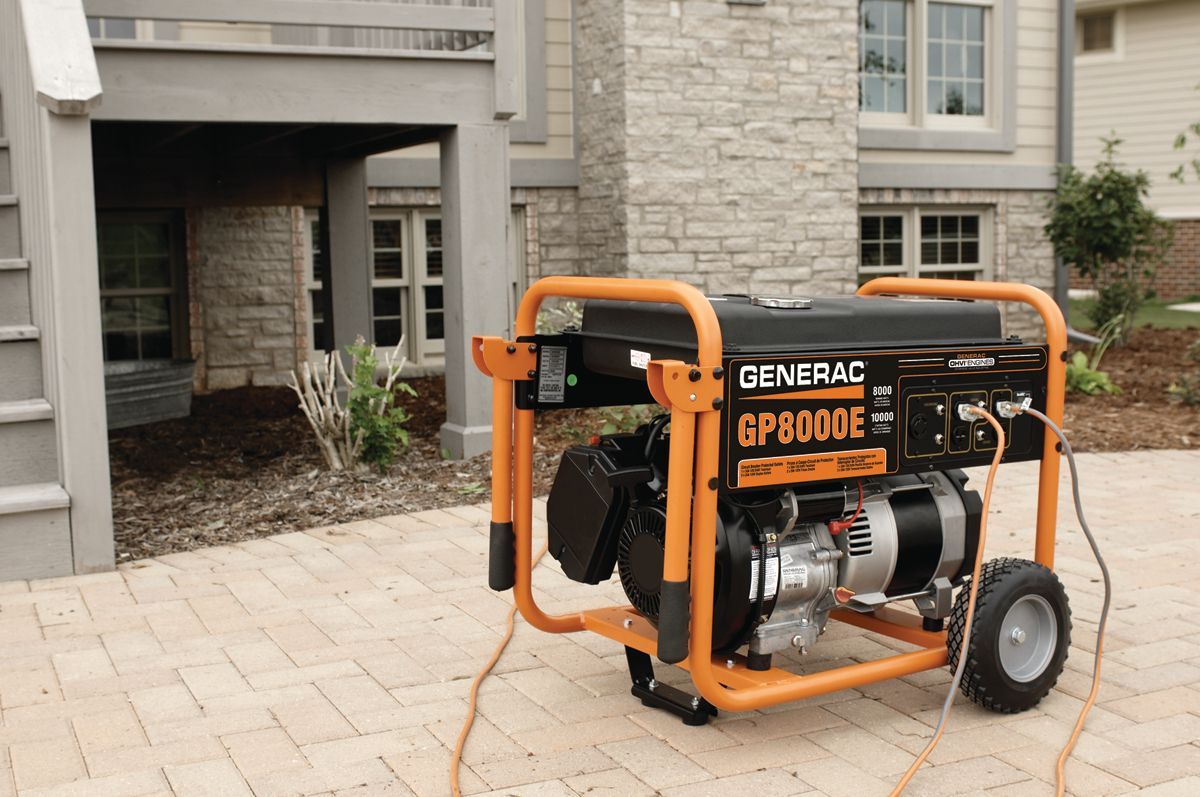
Gasoline-powered generators are often praised for their widespread availability and ease of access. You can find gasoline in almost any convenience store or fuel station, making it accessible in emergency situations. This convenience makes gasoline an attractive option for those who want quick solutions without investing much in infrastructure changes. Moreover, gasoline generators are typically portable and great for smaller or temporary power needs. Homeowners appreciate this fuel type's flexibility, especially when needing short-term power solutions.
In comparison to other fuel types, gasoline provides a reliable and consistent power output. It is also versatile, as gasoline generators can efficiently power a wide range of appliances. Moreover, gasoline's volatile nature leads to a quicker turnover of fuel in the generator tank, ensuring fresher fuel and less chance of gum deposits. This reliability is perfect for home settings where continuous power is vital. The adaptability of gasoline as a fuel source makes it one of the most user-friendly options available.
A significant advantage is the lower initial cost of gasoline-powered whole house generators. They are less expensive than other types, allowing homeowners to invest in backup power without significant upfront expenses. The comparably low complexity of gasoline generators results in cheaper production costs, benefiting consumers financially. For those just entering the world of backup power, gasoline offers an affordable gateway. Nonetheless, these benefits should be weighed against the potential longer-term implications of gasoline use.
Availability and Storage Considerations
Gasoline is widely available, easily found at local gas stations, which is a key factor for many homeowners. This wide availability ensures that, in most cases, fuel is on hand when needed, especially in unforeseen emergencies. The ease of refueling can provide significant peace of mind, knowing that you are unlikely to run out of power. However, gasoline needs to be stored correctly to prevent degradation and ensure safety. Tanks should be approved for gasoline storage and kept away from living spaces due to their explosive potential.
Typically, gasoline has a shelf life of three to six months, though this can be extended with stabilizers. Regular rotation of stored gasoline is essential to prevent engines from being damaged due to stale fuel. This adds an extra layer of maintenance that not everyone is prepared to manage. Additionally, ensuring proper ventilation where gasoline is stored minimizes the risk of harmful fumes accumulating, further highlighting the complexities of gasoline storage. Safe handling and storage practices are mandatory to prevent dangerous situations.
In terms of logistics, homeowners need to plan for how much fuel to store, balancing enough supply for outages while considering safety regulations. Keeping ahead of local supply levels and understanding your generator's consumption rate are crucial aspects of fuel planning. For example, gasoline-powered generators in medium to high usage might require substantial quantities. Whole-home generators can provide a power source for up to 500 hours continuously or about three weeks, according to Homeguide, requiring efficient planning. Navigating the logistics might be cumbersome but is essential for reliable emergency power.
Environmental Impact
Gasoline-powered whole house generators have one of the larger environmental footprints compared to alternative generator fuel types. Burning gasoline emits high levels of carbon dioxide along with other pollutants like nitrogen oxides, which contribute significantly to air pollution. These emissions are directly linked to climate change and can exacerbate local air quality issues. Reducing environmental impact is an increasing priority for many homeowners, which can make gasoline a less attractive option in this context. Transitioning to cleaner energy sources might be a consideration based on environmental priorities.
In addition to the air pollution concerns, gasoline spills pose significant environmental hazards. Leaks or spills can contaminate soil and groundwater, affecting local ecosystems and potentially causing long-lasting harm. Proper handling and quick cleanup are essential to minimize these risks, but the potential for environmental mishaps remains. Gasoline's environmental implications play a role not only in immediate surroundings but also in broader, cumulative ecological impacts. As more people prioritize sustainability, its environmental drawbacks become more significant in decision-making processes.
Noise pollution is another environmental concern associated with gasoline generators. These generators tend to be louder than their counterparts, contributing to noise pollution that can affect both human and wildlife communities. For homeowners in suburban or rural areas where noise levels are a concern, this can be a major disadvantage. Noise barriers and quieter enclosures can mitigate these effects, but incur additional costs and installation. When considering an environmentally-friendly option, other fuel types might present a more appealing profile.
Cost Implications
Gasoline-powered whole house generators are often considered cost-effective initially due to their lower upfront costs. These generators are less expensive than many other types, making them accessible for individuals seeking affordable entry into backup power systems. The lower initial investment allows homeowners to provide backup power without committing substantial financial resources at the start. However, the long-term costs can rise due to maintenance needs from gasoline degradation and engine wear. Over time, cumulative costs can neutralize or even exceed the initial savings seen at purchase.
The cost of gasoline itself introduces another factor of variability in the long-term financial commitment to a gasoline generator. Gas prices fluctuate due to market conditions, geopolitical events, and seasonal demands, making budgeting unpredictable. During periods of high gasoline prices, operating a generator can become significantly more expensive. Moreover, price spikes during times of crisis or high demand can exacerbate these fluctuations, impacting household financial planning. While gasoline may initially seem economical, long-range financial planning must account for these cost variations.
The economics of using gasoline for whole house generators also involve potential additional costs for safety equipment, such as secure storage containers and ventilation systems. These additions are necessary to meet safety standards and reduce risks associated with gasoline storage. The expenses incurred may include both initial investment and ongoing maintenance to ensure fuel safety and longevity. Homeowners must evaluate whether the initial cost savings of gasoline generators outweigh these possible subsequent financial obligations. Balancing immediate affordability with the potential for future expenditures is crucial in making an informed decision.
Choosing the right fuel source for a whole house generator requires balancing immediate convenience against long-term operational impacts. Gasoline stands out as a compelling, entry-level option for homeowners prioritizing low upfront equipment costs, widespread fuel availability, and reliable power output for short-term emergencies. Its familiar infrastructure ensures that keeping the lights on during an unexpected blackout is highly manageable.
However, these immediate benefits come with notable trade-offs that demand careful consideration. The logistical burdens of gasoline require active, ongoing maintenance. Furthermore, its higher carbon emissions, potential for soil contamination, and elevated noise levels present significant environmental drawbacks. Contact Parker Power Systems today to get started with our whole house generators.